
A dark living room just feels heavy sometimes, right? But honestly, it doesn’t have to stay that way.
You can make a space feel brighter and more inviting by using light colors, mirrors, and layered lighting that work together to open up the room.
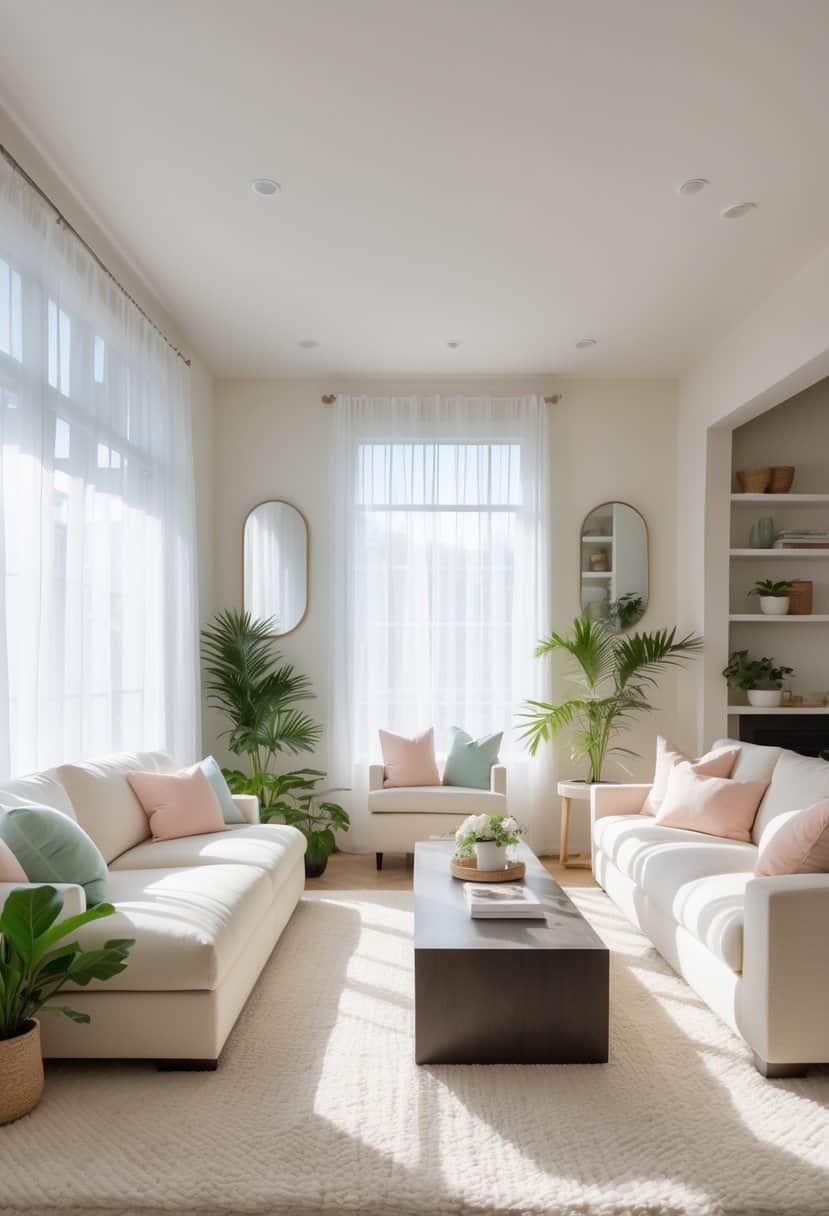
Small changes in how you arrange furniture or pick finishes can really shift the mood.
Let’s look at simple ways to bring in more natural light, add the right lamps, and use reflective surfaces to spread brightness around.
It’s not just about blasting the space with more light; it’s about finding a balance so the room feels comfortable and airy, but still has personality.
Maximizing Natural Light

Natural light just makes a living room feel more open, even if the room itself is kind of dark.
The way you position windows, pick curtains, and choose window treatments can change how bright the space feels.
Assessing Window Placement
First, take a look at where the windows are and how much light actually makes it in during the day.
South-facing windows usually give steady light, while north-facing ones can feel a bit gloomier.
East-facing windows are bright in the morning, and west-facing ones get that golden late afternoon glow.
Why not move seating or work areas closer to the brightest windows? If a big sofa or a tall shelf is blocking a window, it’s worth moving it. Let that light flow deeper into the room.
Keeping window sills clear helps too. Even potted plants or clutter can cut down on sunlight.
Small things — like shifting furniture or trimming a branch outside — can make a surprising difference, and you don’t need a huge renovation.
Choosing Sheer Curtains
Sheer curtains are honestly one of the easiest upgrades for a dark room. They let in plenty of light but still soften the glare.
Heavy drapes can make a space feel closed off, but sheers keep things open.
- Light colors work best — white, cream, or soft gray will bounce more light around than darker fabrics.
- Layering with heavier curtains gives you privacy at night, but lets you keep things bright during the day.
- Hanging sheers higher and wider than the window frame makes the whole window look bigger and brings in more light from the sides.
It’s a simple trick, but it really does make a difference.
Effective Window Treatments
Not every window treatment is great for natural light.
Thick blackout curtains? They’re cozy, but in a dark living room, they just make things feel heavier.
Here are better ideas:
- Sheer roller shades that spread light evenly
- Light-filtering blinds you can tilt to control glare
- Layered treatments — sheers plus lightweight curtains
Materials matter too. Linen, cotton, and other breathable fabrics keep things airy, and glossy finishes reflect a bit of extra light.
If you want flexibility, go for treatments with adjustable slats or panels. That way, you can tweak how much daylight comes in as the sun moves.
Picking the right window treatments means your living room stays bright, but you still get the privacy and comfort you want.
Strategic Use of Mirrors

Mirrors aren’t just for checking your hair. Placed smartly, they bounce light around, open up dark rooms, and brighten things up — no extra lamps needed.
Optimal Mirror Placement
The best trick is to hang a mirror directly across from a window. Even a small window feels more powerful when its light is doubled.
Mirrors behind floor or table lamps work too. They double the glow and spread it out, instead of trapping it in a corner.
Leaning a tall mirror against a wall near a dark corner can pull light into those forgotten spots. For small living rooms, a mirrored wall panel can make the whole space look less cramped.
Here’s a quick guide:
| Placement Idea | Effect on Room |
|---|---|
| Across from windows | Maximizes natural light |
| Behind lamps | Doubles artificial light spread |
| Near dark corners | Brightens hidden areas |
| Large mirrored panels | Expands sense of space |
Choosing Mirror Styles
The style of mirror matters.
- Large, frameless mirrors blend in for a clean look and reflect more light.
- Framed mirrors add character.
- Light-colored or metallic frames reflect extra brightness.
- Darker frames can absorb light and feel heavier.
Shape also makes a difference.
- Round mirrors soften a space and spread light evenly.
- Rectangular mirrors stretch the look of walls and windows.
Tip: If you’re feeling bold, a gallery wall of smaller mirrors mixes style and function. Different sizes and shapes scatter light at different angles, which can help in rooms with uneven lighting.
Layering Lighting for Impact
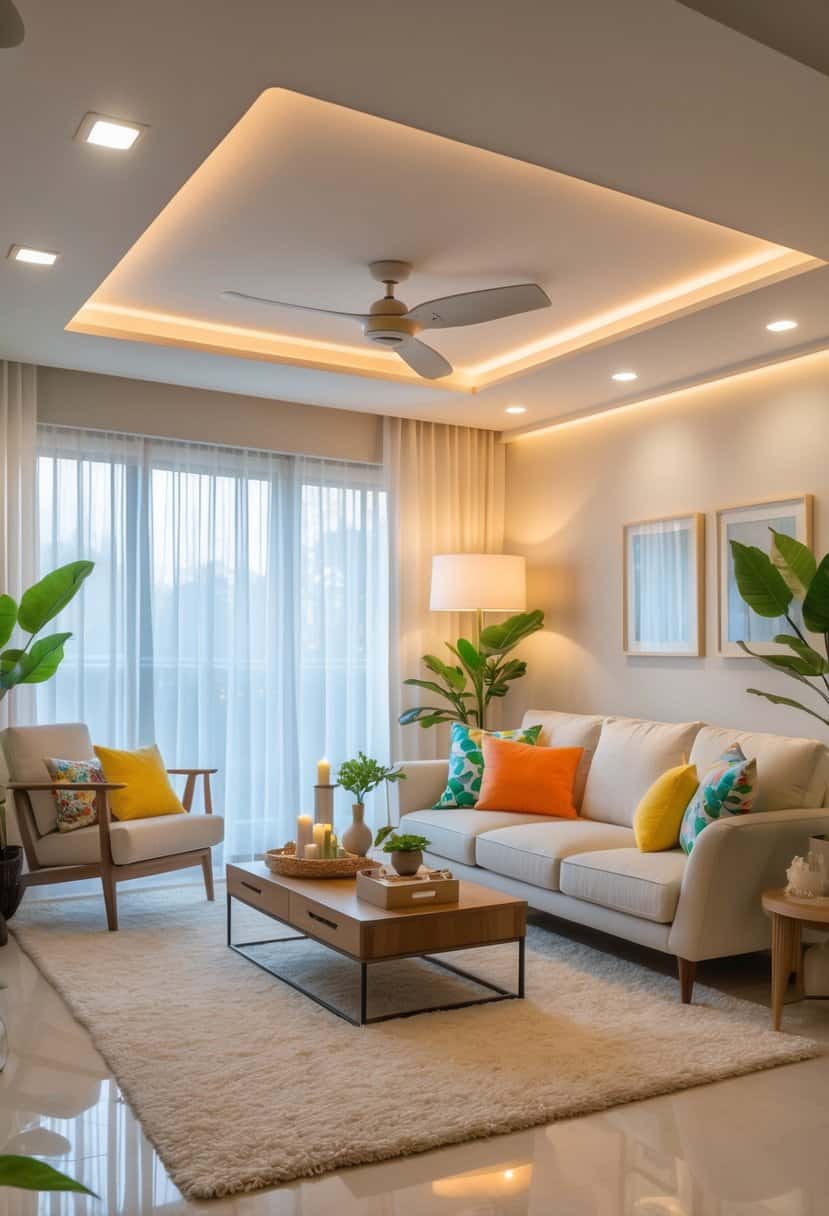
One light source just isn’t enough if you want a dark living room to feel bright.
Mixing up different types of lighting lets you control brightness, cut down on shadows, and make the room feel balanced.
Ambient Lighting Choices
Ambient lighting is the base layer. In dark rooms, you want a consistent, soft glow that covers the whole space.
Overhead fixtures — like flush mounts, chandeliers, or big pendants — work well because they fill the room without eating up floor space.
Lamps with shades that diffuse light in all directions are a solid choice. Two or three lamps in different corners help avoid dark patches.
If the ceiling’s low, recessed or track lighting can do the trick without making things feel cluttered.
Task Lighting Placement
Task lighting is for the spots where you actually do stuff: reading, working, playing games. Without it, a dark room is just uncomfortable.
Table lamps next to sofas or chairs are the easiest fix.
Adjustable floor lamps are great if you move furniture around a lot.
For desks or side tables, swing-arm lamps give you directed light without hogging space.
Placement is key. Lights should be close enough to where you need them, but not so bright that they create glare. A lamp behind your shoulder for reading is better than one shining right in your eyes.
That way, the light feels natural and easy.
Accent Lighting Techniques
Accent lighting adds depth and keeps the room from looking flat. It highlights features, so the space feels interesting instead of just “lit up.”
Wall sconces are a good pick — they spread light up and down, softening shadows and making walls seem taller.
LED strips under shelves or behind the TV add a subtle glow that keeps corners from disappearing.
Picture lights or spotlights can draw attention to art, plants, or cool architectural details.
Even a small accent lamp on a side table can shift the mood.
The trick is to use accent lights sparingly, so they complement the main lighting instead of taking over.
Selecting Colors and Finishes

Color and finish choices can totally change how bright or dim a living room feels.
Lighter shades reflect more light, and smooth or glossy surfaces bounce brightness around. Darker, matte finishes just soak it all up.
Wall Paints and Finishes
Painting the walls is probably the quickest way to shift a room’s vibe.
Soft whites, pale grays, or warm neutrals reflect both natural and artificial light. You don’t always need pure white; off-white or cream can feel warmer and less stark but still brighten things up.
Using a lighter shade on the ceiling than the walls helps bounce light around too.
Gloss level matters. Gloss and semi-gloss paints reflect light and make surfaces feel brighter. Great for trim, doors, or even ceilings.
Matte finishes absorb light, which can make a room feel darker. A mix of matte walls and glossy accents usually feels just right.
| Finish Type | Effect on Light | Best Use |
|---|---|---|
| Matte | Absorbs light | Walls in bright rooms |
| Eggshell | Soft reflection | Living room walls |
| Semi-gloss | Reflects well | Trim, doors |
| High-gloss | Strong reflection | Ceilings, accents |
Reflective and Metallic Surfaces
Paint isn’t the only thing that matters. Furniture and décor finishes play a role too.
Mirrors are the obvious choice. They double the light by reflecting it back into the room. A big mirror across from a window works wonders.
Metallic touches also help. Gold, silver, or brass accents on lamps, side tables, or picture frames catch the light and spread it around.
Glass and acrylic furniture are smart picks. They don’t block light the way heavy wood pieces do, so the room feels more open. A glass coffee table, for example, lets light travel through instead of stopping it.
Think of reflective surfaces as tools. Use them in moderation. Too many shiny things can feel cold, but a few well-placed accents create a nice balance.
Decluttering and Smart Furniture Arrangement
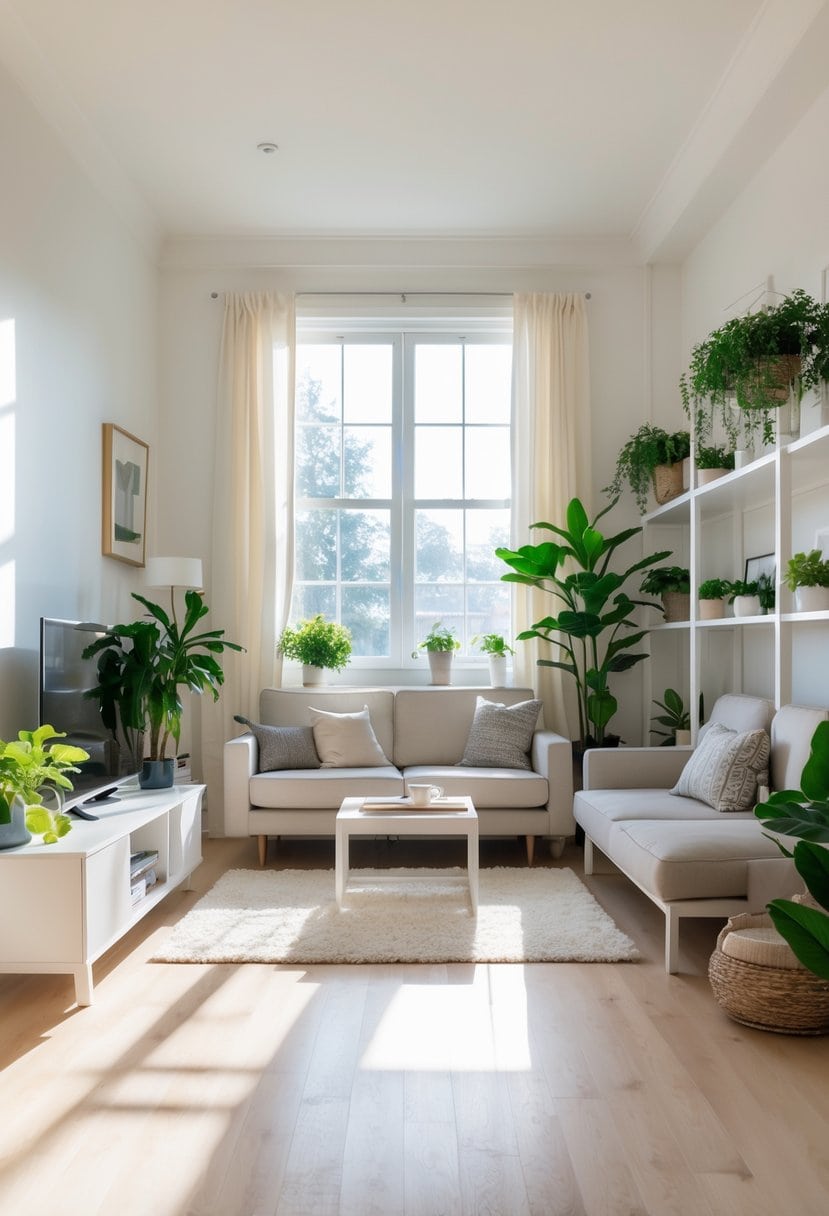
A dark living room feels even smaller when it’s packed with stuff or heavy furniture. Keeping surfaces clear and picking lighter pieces can make the space feel brighter and more open.
Minimizing Clutter
Clutter just eats up light and makes a dark room feel cramped. When shelves and tables are packed, shadows pile up and the space looks dull.
Keeping only what you use or love on display makes a big difference.
Try grouping items in small numbers instead of spreading them everywhere. Three vases on a shelf look cleaner than 10 random objects.
Baskets or storage ottomans are great for hiding everyday stuff without losing function.
It’s worth looking at your furniture layout. If big pieces block windows or pathways, they create dark spots.
Moving bulky furniture away from light sources helps natural light spread more evenly.
Choosing Light-Colored Furniture
Furniture really changes how bright a room feels.
Dark couches or heavy bookshelves can make things feel a bit gloomy. Lighter pieces, though, bounce light back into the space.
A beige or soft gray sofa opens up the room in a way that’s hard to beat. Pair that with a pale wood coffee table or some light side tables. Suddenly, the center of the room doesn’t look so weighed down.
Even swapping out dark slipcovers for something lighter can work wonders. It’s a simple switch, but it matters.
Finishes are worth thinking about too. Glossy or matte-white surfaces scatter light, and a bit of shiny metal or glass can add a nice reflective touch.
If you’re stuck with darker furniture, don’t worry. Light rugs, cushions, or a throw can help balance things out.
Here are examples of brightening choices:
| Item | Light Option Example |
|---|---|
| Sofa | Soft gray fabric |
| Coffee Table | Whitewashed wood |
| Bookshelf | Pale oak or white |
| Accents | Glass or chrome |
Creative Architectural Solutions

Sometimes, the way to deal with a dark room is to think bigger. Bringing in natural light from above or opening up walls with clever storage can change everything.
Adding Skylights
A skylight can transform a room almost instantly. Sunlight from above means steady natural light, even if your windows face the wrong way.
Modern skylights come with features like venting for airflow or low-E glass to cut down on glare and heat. That way, you get daylight without roasting.
Placement is key. Put a skylight over the seating area for even light, or tuck one near a wall to highlight art or shelves.
Got a big room? Two smaller skylights often work better than one giant one. More even light, less drama.
Worried about privacy or too much sun? Skylight shades exist, and they’re a lifesaver. You can filter the light or block it out completely.
| Skylight Type | Best Use | Benefit |
|---|---|---|
| Fixed | High ceilings | Maximum daylight |
| Venting | Kitchens/Living rooms | Light + airflow |
| Tubular | Small or narrow rooms | Compact daylight option |
Utilizing Open Shelving
Heavy cabinets eat up light and make rooms feel closed off.
Open shelving does the opposite; it lets light flow and keeps things airy. Shelves are perfect for displaying books, plants, or just a few favorite things.
- Stick to light-colored wood or painted finishes so they don’t drag the space down.
- Adding mirrored or glass backing behind shelves is a neat trick. It bounces light and keeps the wall from looking dull.
- Spacing matters here. Leaving gaps between shelves instead of stacking them tight lets daylight reach deeper into the room.
Open shelving isn’t just about storage—it’s a way to keep things bright and stylish at the same time.
Finishing Touches for a Brighter Atmosphere
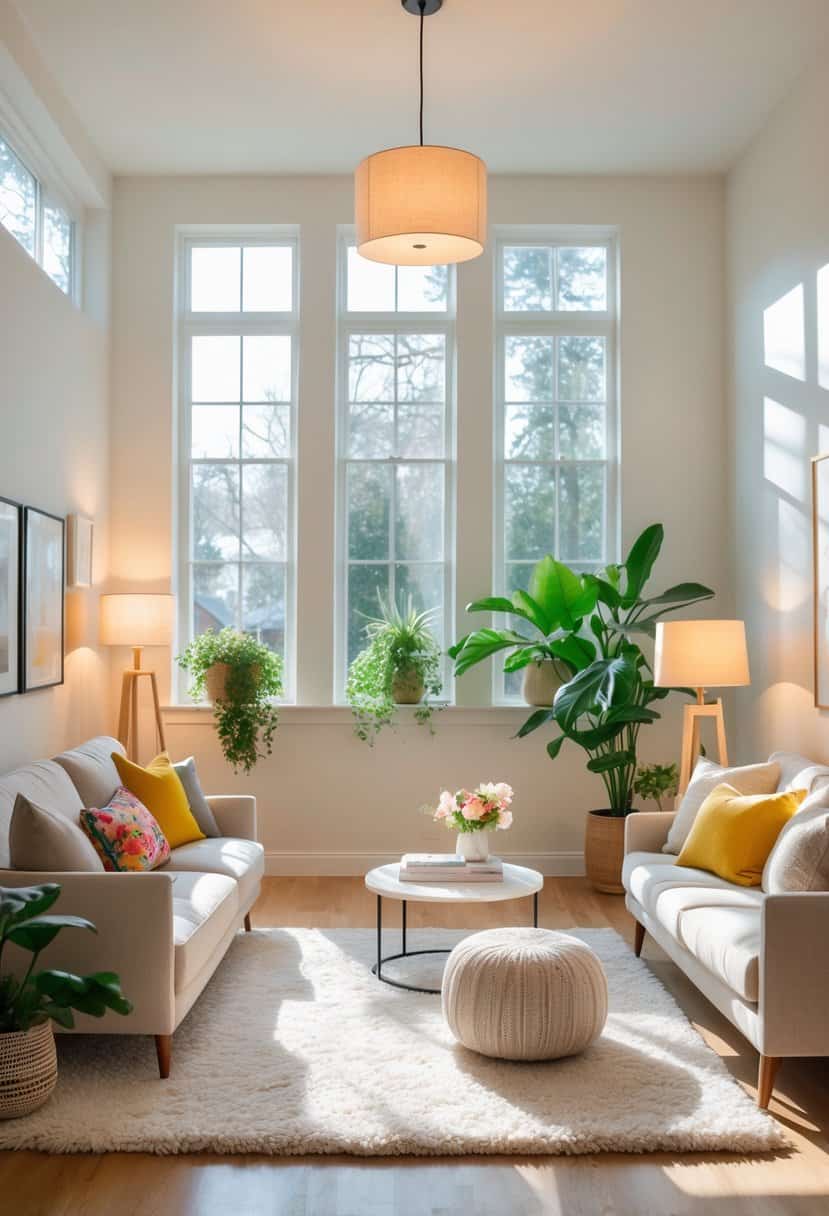
Tiny details can really lift the mood in a dark living room. Reflective finishes and some greenery go a long way.
Metallic and Glass Decor Accents
Shiny surfaces bounce light around, making the space feel lighter. Mirrors, glass coffee tables, or glossy picture frames all help.
Even a small mirror across from a lamp can double the brightness in that spot.
Metallic accents also catch the eye and add a bit of sparkle. Brass lamp bases, chrome tables, or gold-framed art — just a few touches make a difference.
A few easy swaps:
- Trade a dark wood tray for a mirrored one.
- Use metallic bowls or vases on shelves.
- Pick light fixtures with glass or shiny finishes.
Mixing in these reflective elements keeps the room feeling bright, without having to pile on more lamps or repaint everything.
Incorporating Low-Light Indoor Plants
Plants really soften up a room and add a little freshness.
Even if your living room’s on the darker side, you’ve still got plenty of low-light indoor plants to choose from that don’t need direct sun.
Here are a few solid picks:
| Plant | Why It Works |
|---|---|
| Snake plant | Tolerates low light and needs little care |
| ZZ plant | Glossy leaves reflect light and brighten corners |
| Pothos | Easy to grow and trails nicely from shelves |
Try tucking plants near windows, on a side table, or in those awkward empty corners. That touch of green brings in some natural texture.
Light-colored pots or stands also help keep things airy and prevent the space from feeling heavy.
You don’t have to turn your living room into a jungle. Just a few well-chosen plants can soften up all those hard surfaces and make things feel a whole lot more inviting.