
A bookshelf does more than just hold books; it really sets the vibe for a room. The right mix of books, decor, and a few personal touches can make any space feel warmer and more inviting.
To decorate a bookshelf well, we need to balance function with style by mixing books with accessories, varying heights, and leaving some breathing room.
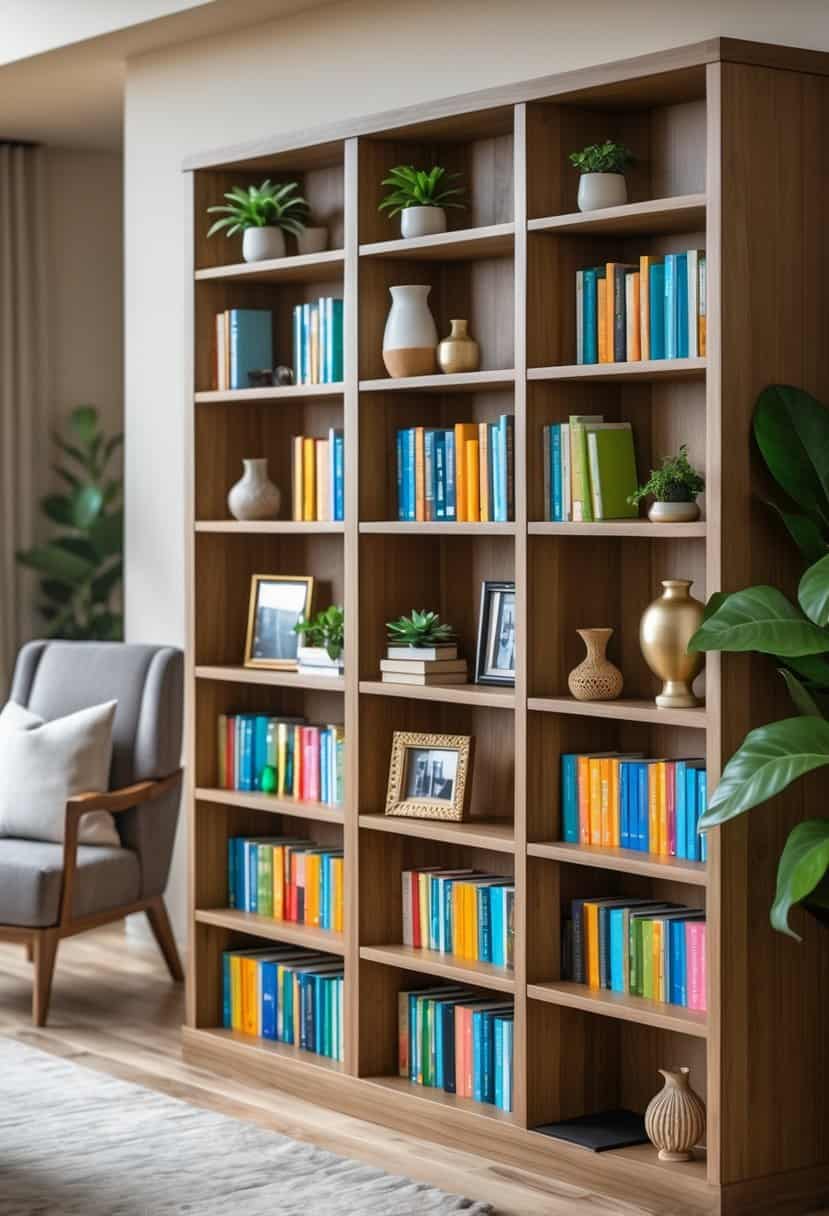
You don’t have to be a designer to make shelves look good. With a little planning, some creativity in arranging books, and a few simple accents, plain shelves can totally become a focal point.
Small changes — like stacking books, adding a plant, or popping in a framed photo — can really transform the look. Sometimes it’s the easiest tweaks that have the biggest impact.
Planning Your Bookshelf Design
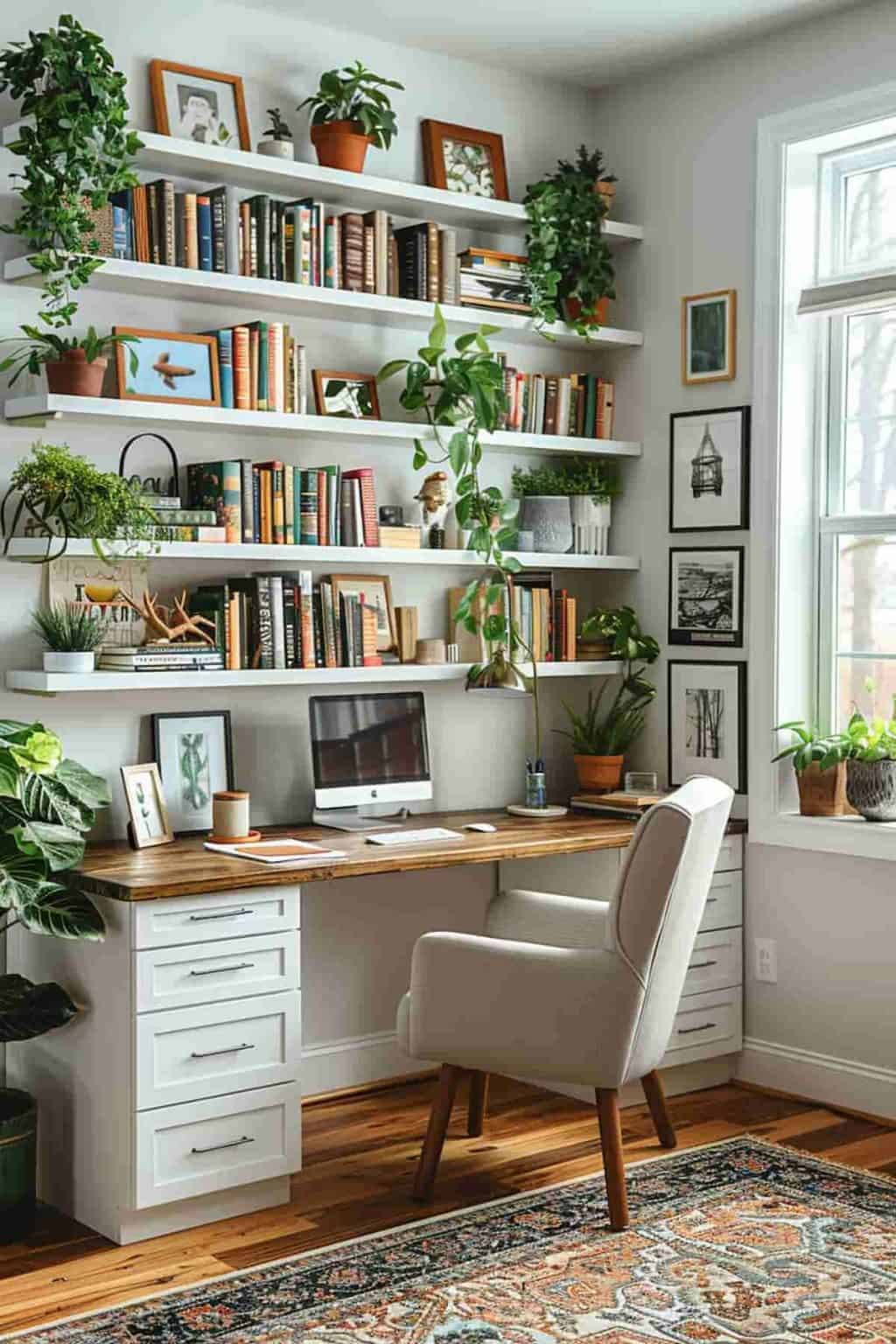
Before we get into styling, it’s worth thinking about how much space we’ve got, what look we’re after, and which items will end up on the shelves. A little planning goes a long way and keeps things functional and attractive.
Assessing Your Space and Needs
First, take a close look at the space.
- The size and shape really guide what works best. Tall shelves can handle bigger anchors like vases, while short ones look better with book stacks or baskets.
- Think about the room too. A hallway shelf probably needs to stay simple, but a living room shelf can handle more decorative stuff.
- Ask yourself what the purpose of this shelf is. Is this shelf mostly for storage, display, or a mix? It’s a good check to keep from overdoing it or buying things we don’t actually need.
Choosing a Style and Color Scheme
Once you know what the shelf is for, decide on a style. Do you like things clean and minimal or more full and collected? Honestly, either works. It’s all about what fits your place and what feels good to you.
Color helps tie everything together. You don’t have to match every single thing, but sticking to a couple of main colors makes shelves feel connected to the room.
A handy trick: Pick two or three main colors and repeat them in books, decor, and accessories. Makes it all feel intentional.
Textures matter too. Mixing wood, glass, metal, and fabric keeps things interesting without getting too busy. Like, a woven basket next to a smooth ceramic vase? That’s a vibe.
Arranging Books for Visual Appeal
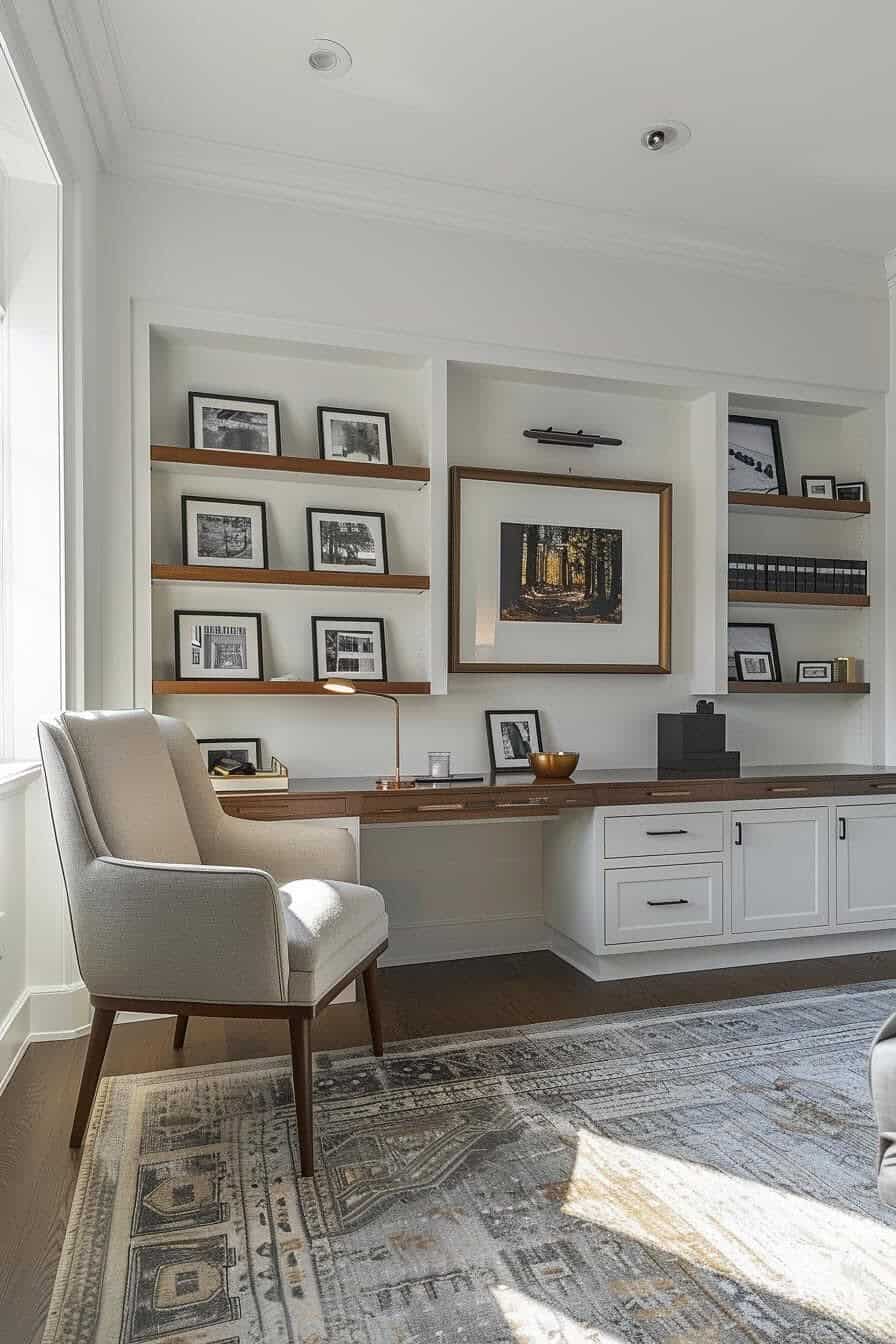
How you place books totally changes the look. Playing with direction, grouping, and variety makes a bookshelf both useful and nice to look at.
Vertical and Horizontal Stacking
Stacking books in different directions keeps shelves from feeling flat. Stand some upright, lay others flat — suddenly there’s rhythm.
Horizontal stacks are handy for holding small decor, like a candle or a plant. It’s a sneaky way to add personality with minimal effort.
Try alternating patterns:
- Top shelf: mostly vertical books, maybe a small horizontal stack
- Middle shelf: bigger horizontal stack with something on top
- Bottom shelf: upright books with a bookend or decorative piece
That kind of mix keeps things practical and styled at the same time.
Organizing by Color or Size
Grouping books by color or size makes shelves feel organized. Tall books on the ends can frame everything and keep smaller books from looking lost.
Color grouping can give a clean, cohesive look. Put blue books together for calm, or mix bright covers for a splash of energy.
No need to follow the rainbow unless you want to. Even just keeping dark and light spines together can really change the vibe.
Here’s a quick breakdown:
| Method | Effect | Best For |
|---|---|---|
| By Size | Creates neat lines | Mixed book collections |
| By Color | Adds harmony or bold contrast | Decorative shelves |
Both are easy to tweak as your collection changes.
Mixing Book Types for Interest
Not all books look the same — thank goodness.
- Mixing hardcovers and paperbacks adds texture.
- Including a magazine or a big art book breaks up the sameness. Lean a large coffee table book against the back, then layer smaller ones in front for depth.
- Combining different types makes shelves feel collected over time, not staged in one go. It just feels more natural.
If you don’t have a ton of books, that’s fine. A few tall hardcovers, a couple of slim paperbacks, and some horizontal stacks can fill things out without looking forced.
Adding Decorative Accessories
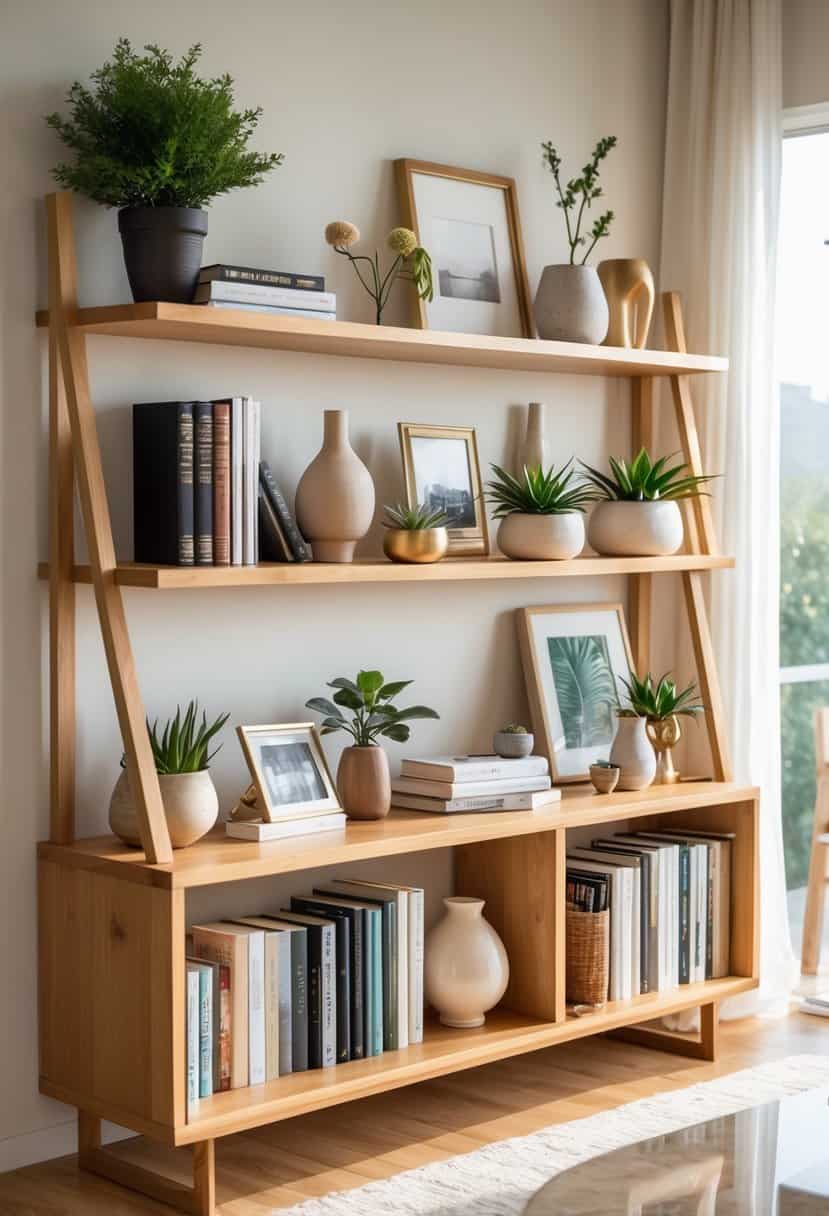
Decorating shelves isn’t just about lining up books. Mixing in art, greenery, and even functional pieces like cool bookends makes the whole thing feel more personal.
Incorporating Art and Photos
Art and photos add personality and break up rows of books. Layer small framed prints behind things, or lean a photo against the back of the shelf for depth. Hanging a little piece of art on the shelf back can be fun too.
Try mixing frame sizes and shapes:
- Large vertical frame in the center
- Smaller horizontal frame overlapping
- Square frame with a decorative object
Layering keeps your eye moving and avoids that flat, blah look. Swap in family photos or rotate art seasonally if you like to keep things fresh.
Using Greenery and Plants
Plants bring life to a bookshelf. Even a single plant softens the lines and makes the shelf feel less stiff.
Trailing plants like pothos look great spilling over the edge, while upright ones in simple pots add height. Faux greenery totally works if you’re not into plant care.
Mixing different types — like a tall leafy plant next to a little succulent — adds balance. Try putting plants in cute planters or baskets to tie them in with your decor.
If you use matching planters on a few shelves, it helps everything feel more unified.
Choosing Unique Bookends
Bookends are practical, sure, but they’re also a chance to show some style. Instead of boring metal ones, pick something that feels like you.
| Style | Example Ideas |
|---|---|
| Vintage | Brass animals, old tools |
| Natural | Stone, wood, shells |
| Personal | Souvenirs, handmade pieces |
You don’t have to use traditional bookends either. Heavy objects like small sculptures or even something quirky, like old stirrups, can do the job if they’re sturdy.
Balancing Style and Function
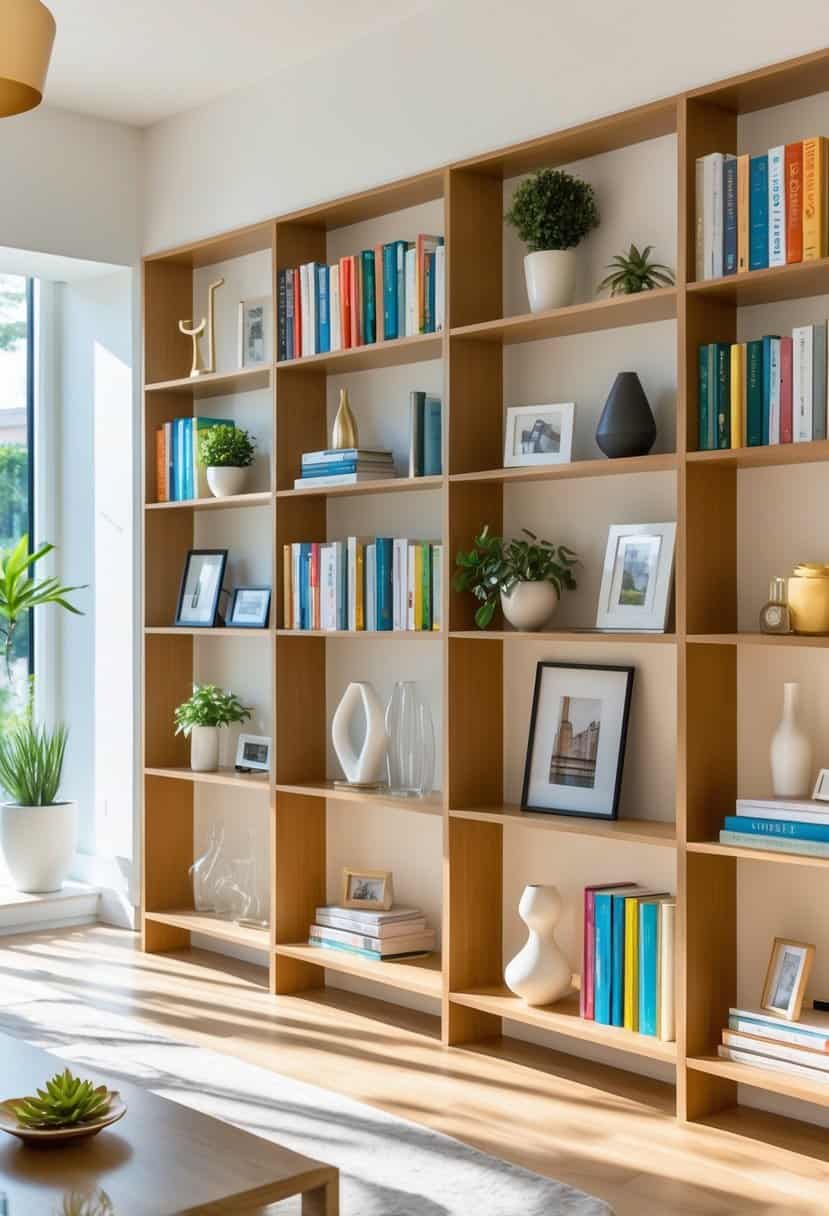
When you decorate shelves, it’s about both looks and usefulness. A good bookshelf feels organized, easy to use, and pleasant to look at — never crowded or stiff.
Creating Symmetry and Groupings
Symmetry makes shelves feel calm and tidy. Try placing items of similar height or shape on opposite sides.
Two tall vases at each end can frame smaller stuff in the middle. Grouping items works too — three candles together or a couple of framed photos side by side look more polished than spreading everything out.
Mixing vertical and horizontal book stacks keeps the eye moving. A row of upright books next to a horizontal stack with a bowl on top? That’s a nice touch.
Odd numbers usually work best for groupings. Three or five feels more natural than two or four.
Leaving Breathing Room
It’s tempting to fill every inch, but empty space matters. Gaps between groupings keep shelves from looking cluttered.
Don’t think of empty space as wasted — it lets each item stand out.
Spacing also makes it easier to grab a book or dust around things. If everything’s packed tight, it’s just a hassle.
Editing is your friend. Remove an item or two and the shelf instantly feels lighter and more open.
Combining Storage and Display
A practical bookshelf does double duty. Closed baskets or bins on the lower shelves can hide things like blankets, chargers, or random stuff.
Upper shelves are great for display. Mixing books with decor — like ceramics, framed photos, or plants — balances storage and personality.
Here’s a sample breakdown:
| Shelf Level | Best Use | Ideas |
|---|---|---|
| Lower | Storage | Baskets, boxes, larger books |
| Middle | Everyday access | Cookbooks, framed photos, plants |
| Upper | Display | Art pieces, heirlooms, lightweight decor |
Dividing shelves this way makes the most of your space. You keep essentials close but still style things so they feel thoughtful.
Personalizing Your Bookshelf
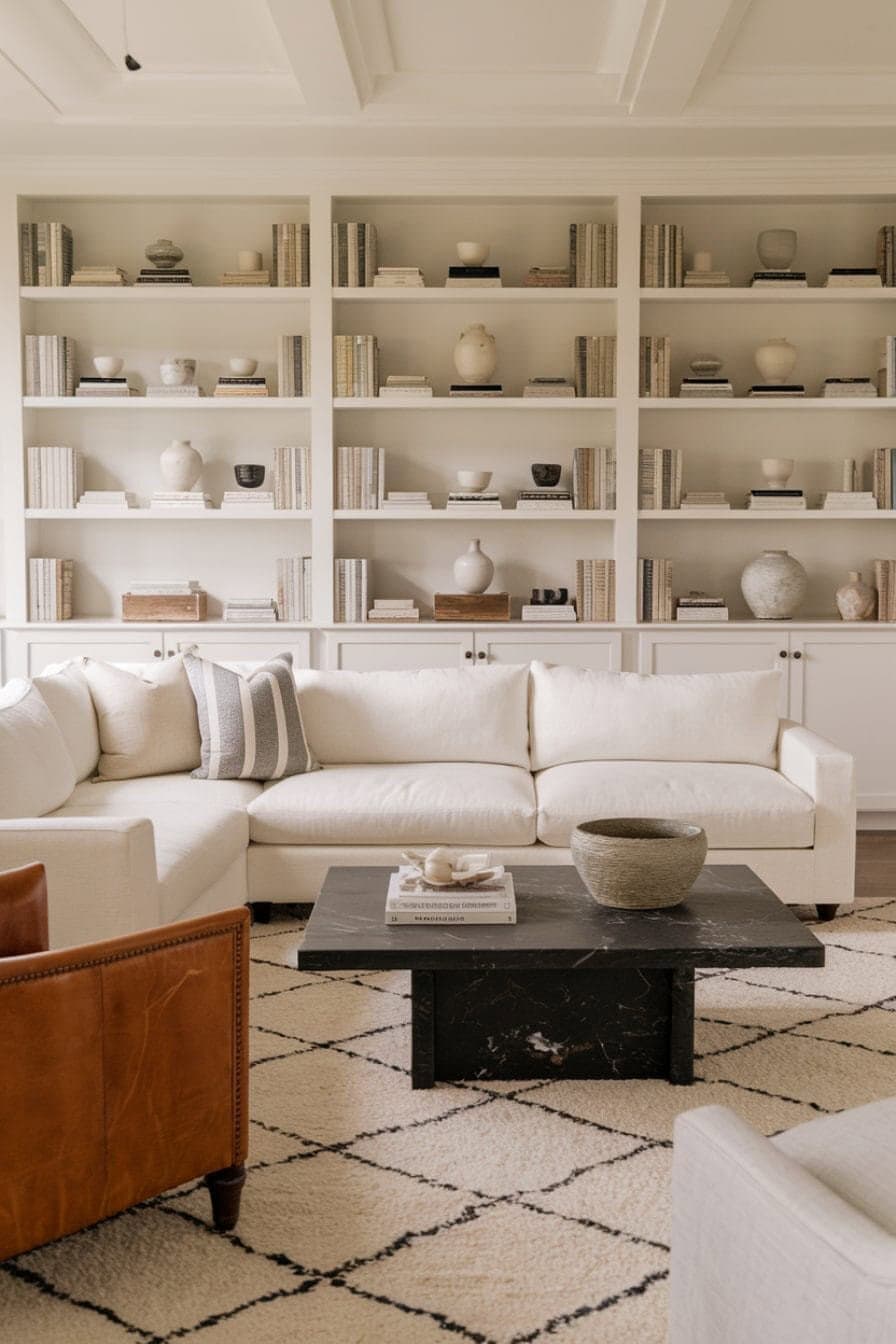
A bookshelf feels more inviting when it reflects you. It’s a perfect spot to display meaningful items, celebrate different seasons, and add those little touches that make a space feel like home.
Showcasing Collections and Memorabilia
An easy way to personalize shelves is with collections. Travel souvenirs, vintage cameras, favorite vinyl records—they all tell a story.
You don’t have to cram everything onto one shelf. Spread pieces out:
- Top shelf: framed photos or postcards
- Middle shelf: small sculptures or collectibles
- Bottom shelf: heavier stuff like pottery or stacked books
Mixing these with books balances the look. Using a horizontal book stack as a base for a keepsake is a clever way to layer without taking up extra room.
Highlighting Seasonal Decor
Changing decor with the seasons keeps things fresh. No need to swap everything — just a few accents can shift the mood.
- In fall, maybe add a pumpkin or a warm candle.
- Winter? String lights or pine cones for a cozy vibe.
- For spring, a vase of fresh flowers is perfect.
- In summer, seashells or a bowl of citrus add color.
It helps to keep a little box of seasonal pieces handy so you can rotate them easily. That way, shelves stay interesting without getting overwhelming.