
A great-smelling room instantly makes your home feel warm, inviting, and well cared for.
Whether you prefer fresh, clean scents or something cozy and comforting, there are plenty of simple ways to create an atmosphere you love coming home to.
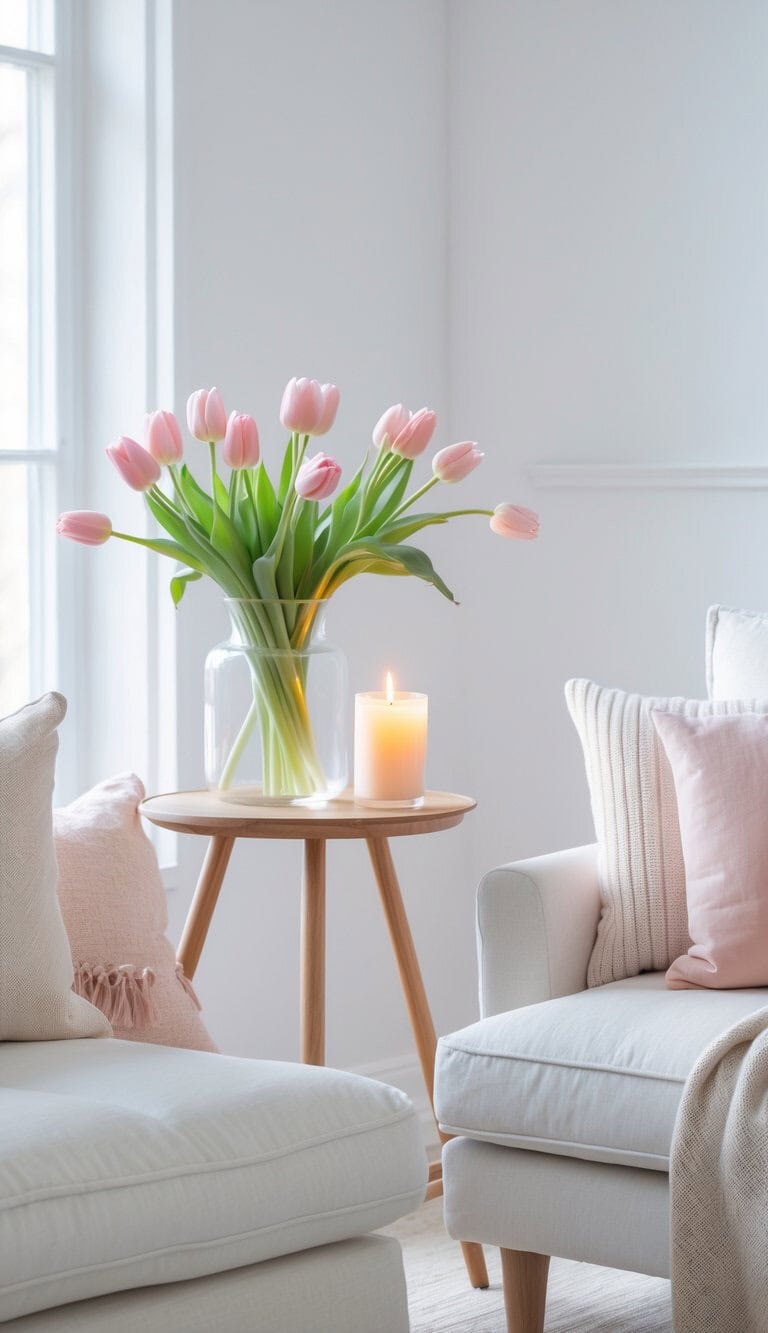
In this article, you’ll learn how to make your room smell good using easy décor ideas, natural fragrances, and everyday habits.
From scented candles and diffusers to fabric refreshers and clever cleaning tips, these suggestions help you build a space that feels both pleasant and personal.
Let’s explore how small, thoughtful touches can transform the scent of your home.
Eliminate Bad Odors First
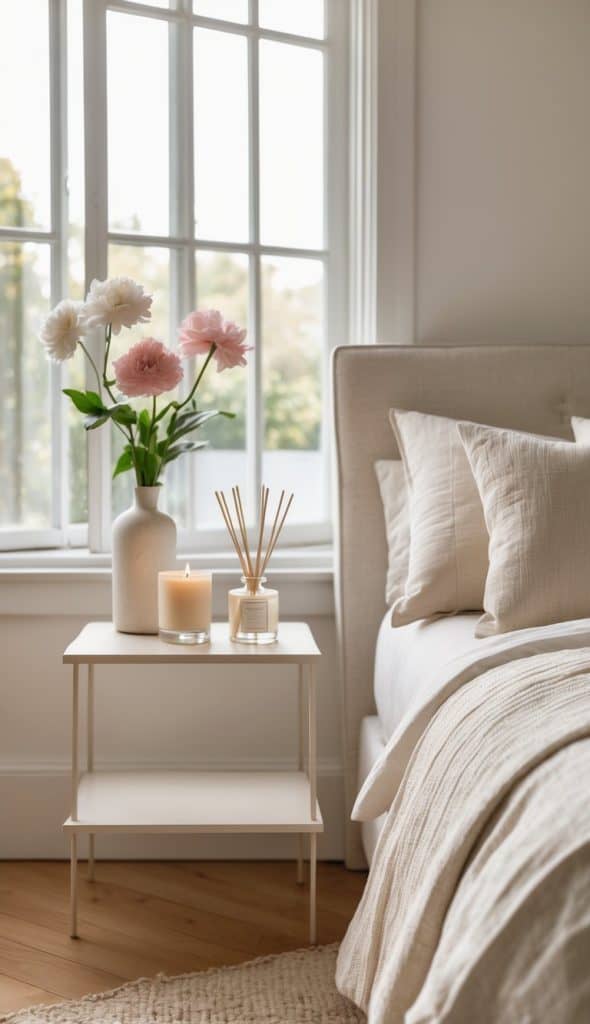
Before thinking about adding new scents, it’s best to figure out what’s causing the bad ones. Smells usually come from hidden messes, dirty fabrics, or stale air.
Tackling those issues first makes the biggest difference.
Identify and Remove Sources of Smell
Find where the odor is coming from. Check old food containers, pet accidents, damp laundry, or even mold in corners and windowsills.
These are the usual suspects. They stick around until you deal with them directly.
Instead of just covering up the smell with sprays or candles, get rid of the source. That might mean tossing out the trash, scrubbing a hidden spill, or cleaning up after pets.
Even something as simple as washing out a dirty laundry basket can help.
It’s smart to check less obvious spots too. Odors can hide in air vents, under furniture, or behind curtains. Taking a few minutes to look in these places saves you from chasing the same smell later.
Deep-Clean Soft Surfaces
Fabrics hold onto odors more than hard surfaces. Bedding, curtains, carpets, and upholstered furniture can trap smells from sweat, pets, or spills.
- Wash sheets, pillowcases, and blankets regularly.
- For carpets and rugs, sprinkle baking soda, let it sit, then vacuum it up. If the smell is stubborn, a vinegar and water mix can help break it down.
- Upholstery and curtains deserve attention too. Many can go in the wash, but if not, use a fabric-safe cleaner or even a steam cleaner.
Fresh fabrics really do make the whole room smell better. Deep cleaning these items is key.
Manage Moisture and Airflow
Moisture often leads to musty smells, so controlling it is important. Keeping moisture under control also helps prevent mold.
- Run a dehumidifier if the room feels damp, especially in basements or during humid weather.
- Open windows to let stale air out and fresh air in. Airflow makes a big difference.
- If outside air quality is poor, use fans or an air purifier to keep air moving without bringing in pollutants.
Even small steps, like leaving closet doors open or not blocking vents, improve circulation. Better airflow means fewer lingering odors and a fresher space.
Use Room Sprays for Instant Freshness
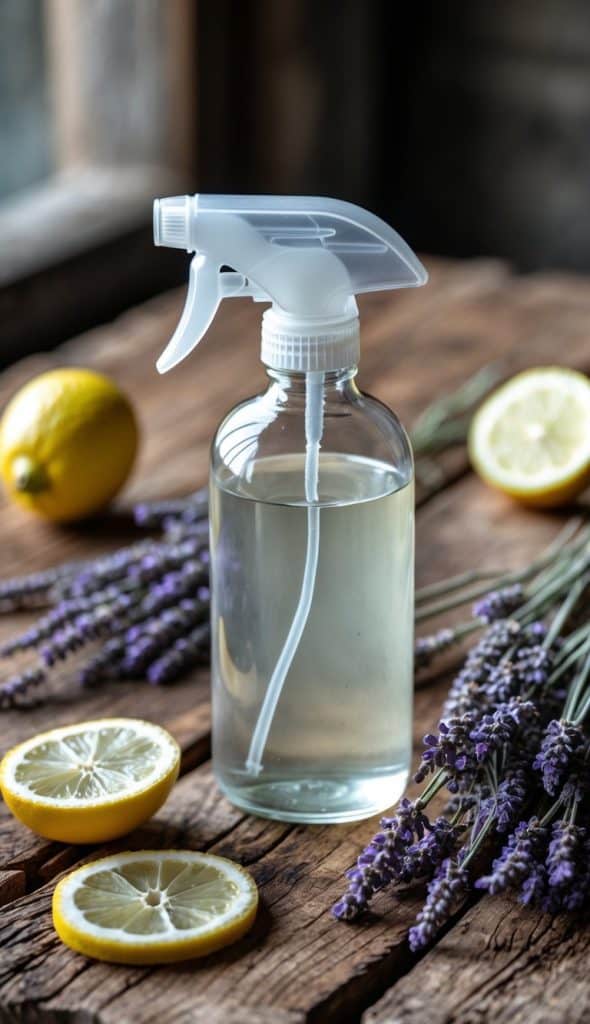
Room sprays are a quick way to refresh the air and fabrics around you. You can grab a ready-made option or mix up your own with simple, natural ingredients.
Deodorizing Room Sprays
A few spritzes of room spray can cut through stale air in seconds.
- Two or three sprays in the center of the room usually do the trick.
- Spraying directly onto soft surfaces like curtains, couches, or bedding helps the scent last longer.
- It’s best to pick sprays that are light and not overpowering. Fresh scents like citrus, lavender, or eucalyptus make a room feel clean without being too much.
- If you have pets, always check that the spray is safe for them. You don’t want to harm your pets in the quest of making your home smell good.
Here’s a quick guide for where to use sprays:
| Area | Best Use |
|---|---|
| Living room | Light mist on curtains or cushions |
| Bedroom | Spritz on sheets and pillowcases |
| Bathroom | Spray into the air after cleaning |
| Closet | Mist lightly on clothing or storage boxes |
Rotating between a couple of scents helps you avoid getting used to one fragrance and keeps the room smelling fresh.
DIY Natural Room Spray Recipes
Making your own room spray is simple and lets you control the ingredients.
Just mix water, a little rubbing alcohol or witch hazel (so the scent mixes), and a few drops of essential oil. Shake it up before each use and spray lightly in the air or on fabrics.
Here are some easy blends to try:
- Citrus fresh: 10 drops lemon oil + 5 drops orange oil
- Relaxing lavender: 12 drops lavender oil + 3 drops chamomile oil
- Herbal clean: 8 drops rosemary oil + 6 drops peppermint oil
You can add baking soda to the mix if you want more odor control. It helps absorb unwanted smells while the oils add a pleasant fragrance.
DIY sprays are budget-friendly, and you can adjust the strength by adding more or fewer drops of oil. That way, you get a natural fragrance without relying on synthetic scents.
Enhance Ambiance With Candles
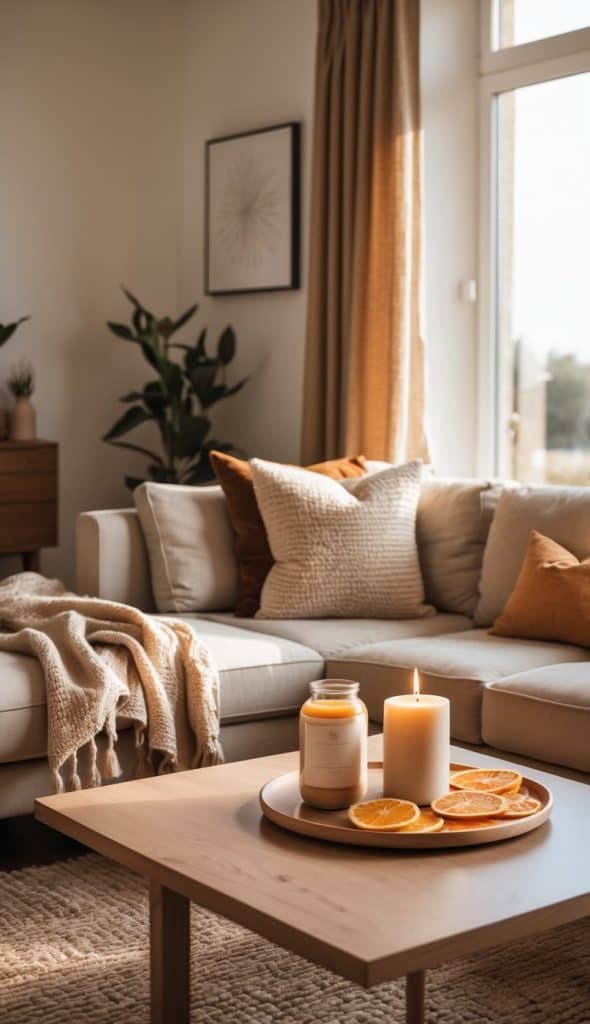
Candles do more than add light. The right scent and wax type can totally shape how your space feels, from the air you breathe to the mood you’re in.
Choosing the Right Candle Scents
Scents have a strong effect on mood, so picking the right candle fragrance matters.
- Lavender helps you relax and is great for bedrooms or quiet spaces.
- Citrus scents like lemon or orange brighten up living rooms and kitchens and is perfect if you want something fresh and energizing.
- Wood-based scents such as sandalwood or cedar bring cozy warmth to studies or reading nooks.
Seasonal choices also make a difference.
- Cinnamon, clove, or vanilla work well in cooler months.
- Lighter floral notes fit spring and summer.
It helps to match the scent to the purpose of the room.
| Room | Best Scents | Why It Works |
|---|---|---|
| Bedroom | Lavender, rose | Calming, restful |
| Kitchen | Lemon, orange | Fresh, clean |
| Living Room | Sandalwood, cedar | Warm, inviting |
By thinking about how you use each space, you can pick candles that not only smell good but also support the atmosphere you want.
Benefits of Natural Wax Candles
The type of wax makes a big difference in both air quality and burn time. Soy, beeswax, and coconut wax are cleaner options compared to paraffin, which can release more soot.
Natural wax candles often carry fragrance better, giving you a steady scent without being overpowering. They tend to burn more evenly. That means less wasted wax and more value for your money.
- Beeswax candles naturally purify the air by releasing negative ions as they burn, helping to reduce dust and allergens. They also have a soft, honey-like aroma even without added fragrance.
- Soy candles are affordable, renewable, and widely available in classic to trend-driven fragrances. Their smooth, even melt pool also makes them ideal for creating a consistent scent.
- Coconut wax candles are known for their luxurious, slow burn and excellent scent diffusion. Because coconut wax melts at a lower temperature, it holds onto fragrance oils beautifully and offers one of the strongest yet cleanest scent throws.
- Canola wax candles are another eco-friendly option gaining popularity. They burn slowly, have minimal drip, and blend well with other natural waxes.
- Palm wax candles offer a unique crystal-like texture and a long burn time. They’re firm enough to create decorative shapes. A great choice if you love candles that double as home-decor pieces.
No matter which natural wax you choose, it just feels good knowing you’re bringing something that enhances your decor while keeping the air you breathe cleaner and healthier.
Incorporate Essential Oils and Diffusers

Essential oils can freshen up a room without relying on artificial sprays. Diffusers make it easy to spread the scent evenly, and you can switch up the aroma based on your mood or the time of day.
Popular Essential Oil Scents
Some oils are more popular because they smell pleasant and are easy to blend with others.
- Lavender is a favorite for relaxing at night.
- Eucalyptus gives a clean, crisp scent that works well when you want the space to feel fresh.
- Grapefruit or other citrus oils are great choices if you want something bright and uplifting. They add a light, fruity scent that doesn’t feel heavy.
- Mint is a no-brainer if you want a cooler, refreshing smell.
Here’s a quick list of common oils and their main uses:
| Oil | Scent Profile | Best For |
|---|---|---|
| Lavender | Floral, soft | Calming, bedtime |
| Eucalyptus | Sharp, clean | Fresh air feeling |
| Grapefruit | Sweet, citrusy | Energy, brightness |
| Mint | Cool, crisp | Focus, freshness |
Mixing a few drops of different oils can also create a custom scent that feels more personal to you.
Electric Diffusers
Diffusers are an easy way to scent a room, and while there are several styles available, most people use water-based models for their steady, gentle mist.
Here’s how you set it up:
- Fill the tank with clean water.
- Add 5 to 10 drops of essential oil.
- Turn the diffuser on to let the fine mist spread the scent evenly.
If the room is small, fewer drops work better. In larger rooms, you can double the amount.
It helps to keep the diffuser clean; wiping it out every few uses prevents residue from building up and altering the scent.
To make your oils last longer, try running the diffuser in short intervals instead of keeping it on all day. Many models even come with built-in timers, making it easy to control how long they run.
For variety, switch oils depending on the time of day: lavender in the evening, citrus in the morning, and mint when you want to stay alert. That way, your room always feels fresh but never boring.
Reed Diffusers
Reed diffusers are a low-maintenance, flameless option that continuously scents a room. A glass bottle holds scented oil, and porous reeds soak up the oil and release fragrance gradually.
Ideal for homes with kids, pets, or high-traffic areas, reed diffusers require no flames or electricity, and their scent lasts several weeks. Once set up, they require very little attention.
They double as stylish accents, blending easily with modern, minimalist, or cozy decor styles.
Follow these to make the most out of them:
- Flip the reeds every few days for a stronger scent.
- Use more reeds for a larger room, fewer for a lighter fragrance.
- Keep away from direct sunlight to prevent oil from evaporating too quickly.
Oil Burners (Tea Light or Electric)
Oil burners — also known as aroma burners or fragrance warmers — use gentle heat to release the scent of essential oils.
A small dish on top of the burner holds water mixed with a few drops of essential oil, while a tea light candle (or an electric warmer) within the burner heats the dish above.
As the mixture warms, the fragrance of the oil in the dish gradually fills the room.
Available in ceramic, stone, glass, and sculptural designs, these humble burners can complement many aesthetic styles.
Keep these tips in mind while using an oil burner:
- Keep an eye on the water level and refill before it evaporates completely.
- Never leave a lit tea light unattended.
- Place burners on a heat-safe surface away from fabrics or drafts.
- Use well-ventilated spaces to prevent oils from overheating.
Oil burners are perfect when you want a stronger, more atmospheric scent experience — something warm, cozy, and visually soothing.
Natural Fragrance Solutions

You can bring a clean, pleasant scent into your space without relying on sprays or synthetic products.
Simple natural ingredients like flowers, herbs, and fruit can freshen the air while also adding a nice touch of color and warmth.
Fresh Flowers and Greenery
Fresh flowers do more than look pretty — they release a light, natural fragrance that makes the room feel inviting. Roses, lilies, and lavender are popular choices, but even a small bunch of wildflowers can brighten the air.
Greenery like eucalyptus branches or mint leaves adds a crisp, refreshing scent. Eucalyptus especially stands out because it lasts longer than cut flowers and keeps its aroma even as it dries.
A vase on a nightstand, desk, or windowsill is a simple upgrade. If you want a stronger effect, group different plants together.
For example:
| Plant/Flower | Scent Profile | Best Spot |
|---|---|---|
| Eucalyptus | Clean, sharp | Bathroom or desk |
| Mint | Cool, fresh | Kitchen windows |
| Grapefruit cut | Bright, citrusy | Living area |
Rotating flowers and greenery every week keeps the scent from fading and gives you a nice mix of aromas.
Simmer Potpourri and Herbal Sachets
Simmer pots are one of the easiest ways to fill a room with fragrance.
Add water to a pot and toss in simple ingredients like sliced grapefruit, lemon, or apple with herbs such as rosemary, mint, or thyme. A few cinnamon sticks or cloves make it cozy in cooler months.
Once the mixture simmers, the steam carries the scent through the room. Just keep an eye on the water so it doesn’t run dry.
It’s flexible; you can mix whatever you already have in the kitchen.
Herbal sachets are another option for a lighter, longer-lasting scent. Small cloth bags filled with dried lavender, eucalyptus leaves, or mint can be tucked into drawers, closets, or even under pillows.
They don’t fade quickly and can be refreshed by adding a few drops of citrus juice or dried grapefruit peel.
Both simmer pots and sachets let you control the ingredients, so you know exactly what’s in the air you’re breathing.