
Styling a daybed is one of the most versatile ways to elevate both comfort and design in your home decor.
Whether placed in a living room, guest room, home office, or small apartment, a well-styled daybed can function as a sofa by day and a cozy sleeping space by night.

Learning how to style a daybed starts with layering the right bedding, decorative pillows, and throws to create a balanced, inviting look.
From tailored, minimalist arrangements to plush, layered designs, the right combination of textures and colors can transform a simple frame into a standout focal point.
In this guide, you will discover practical tips and stylish ideas to help you style a daybed beautifully while maximizing both functionality and visual appeal in your space.
Essential Elements for Styling a Daybed
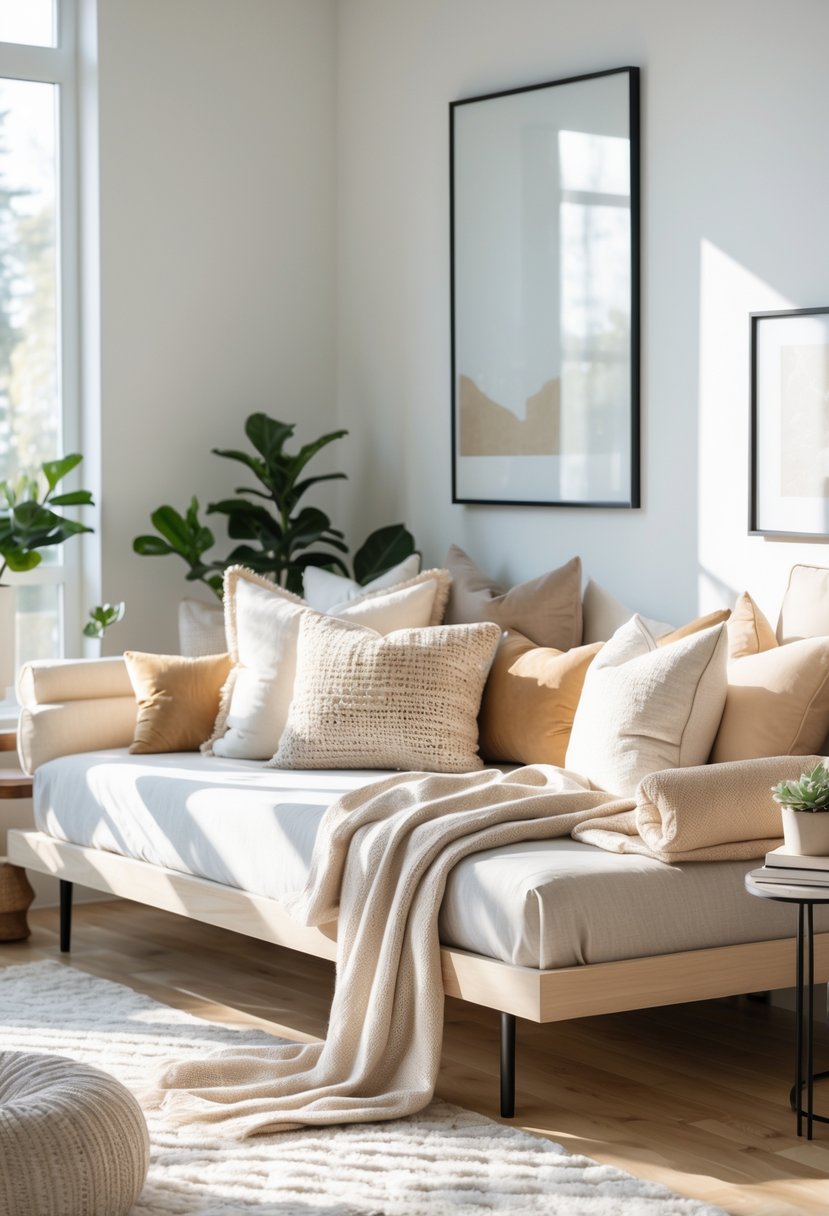
When it comes to styling a daybed, the details are everything. The right mattress, cozy layers of pillows, and a few well-placed blankets can turn a basic frame into something special.
Picking the Perfect Mattress and Bedding
A daybed usually takes a twin mattress, so picking one that’s comfortable and supportive is key. Because a daybed functions as both a sofa and a bed, the mattress needs to strike a careful balance between comfort and structure.
- A medium-firm mattress is often ideal — supportive enough to hold its shape during daytime seating, yet soft enough to feel cozy for overnight guests.
- Bedding matters too. A fitted cover or tailored slipcover keeps things neat and avoids the look of tangled sheets. If you prefer bedding, tucking in sheets and blankets tightly helps highlight the shape of the frame.
- Quilted covers or upholstered mattress toppers can give a more finished feel. These add softness and dimension while giving the daybed a more finished, styled feel.
- When it comes to color, neutrals blend effortlessly into most decor styles and allow accent pillows to stand out. On the other hand, bold colors or patterned fabrics can turn the daybed into a focal point of the space, especially if the surrounding decor is minimal.
Either way, the goal is to keep things tidy and intentional.
Layering Pillows for Comfort and Style
Pillows are what truly transform a daybed from a simple mattress on a frame into something that feels like a sofa. They add structure, softness, and personality — all at once.
- Line the back with large square pillows or Euro shams for support, then add medium and small pillows for variety. These create a supportive foundation and help define the seating area.
- Odd numbers — three or five — just look better than even ones, for some reason. The slight asymmetry keeps the arrangement from looking too rigid or overly styled.
- Mixing shapes like round, lumbar, or bolster pillows keeps things interesting. Combine classic square pillows with a lumbar pillow for a tailored look, or incorporate a round or bolster pillow to break up straight lines.
- Fabric and pattern play an important role too. If your bedding or mattress cover is neutral, patterned pillows can introduce energy and texture. Mixing textures can create richness even within a simple color palette.
Aim for enough pillows to make the daybed feel plush and comfortable, but not so many that the mattress disappears underneath them. The goal is cozy and intentional.
Adding Throws and Blankets
Throws and blankets are the finishing touch that pulls the entire daybed together. They add warmth, texture, and that effortless touch that makes a space feel styled rather than staged.
- A folded throw at the foot of the daybed keeps things tidy but still handy for naps. This approach works especially well in more tailored or minimalist spaces where crisp lines matter.
- Draping one across the side makes the space feel more relaxed and lived-in. The gentle asymmetry instantly makes the setup feel inviting and lived-in.
- Texture matters as much as color. Knits, woven fabrics, or even faux fur add depth and keep the look from falling flat.
- Seasonal swaps are an easy way to refresh the look throughout the year. Lightweight cotton or linen throws feel breathable and airy in warmer months, while chunky knits, wool, or fleece add comfort and visual weight during colder seasons.
A throw that contrasts with the pillows and bedding helps break up solids and keeps things visually interesting.
Choosing the Right Daybed for Your Space
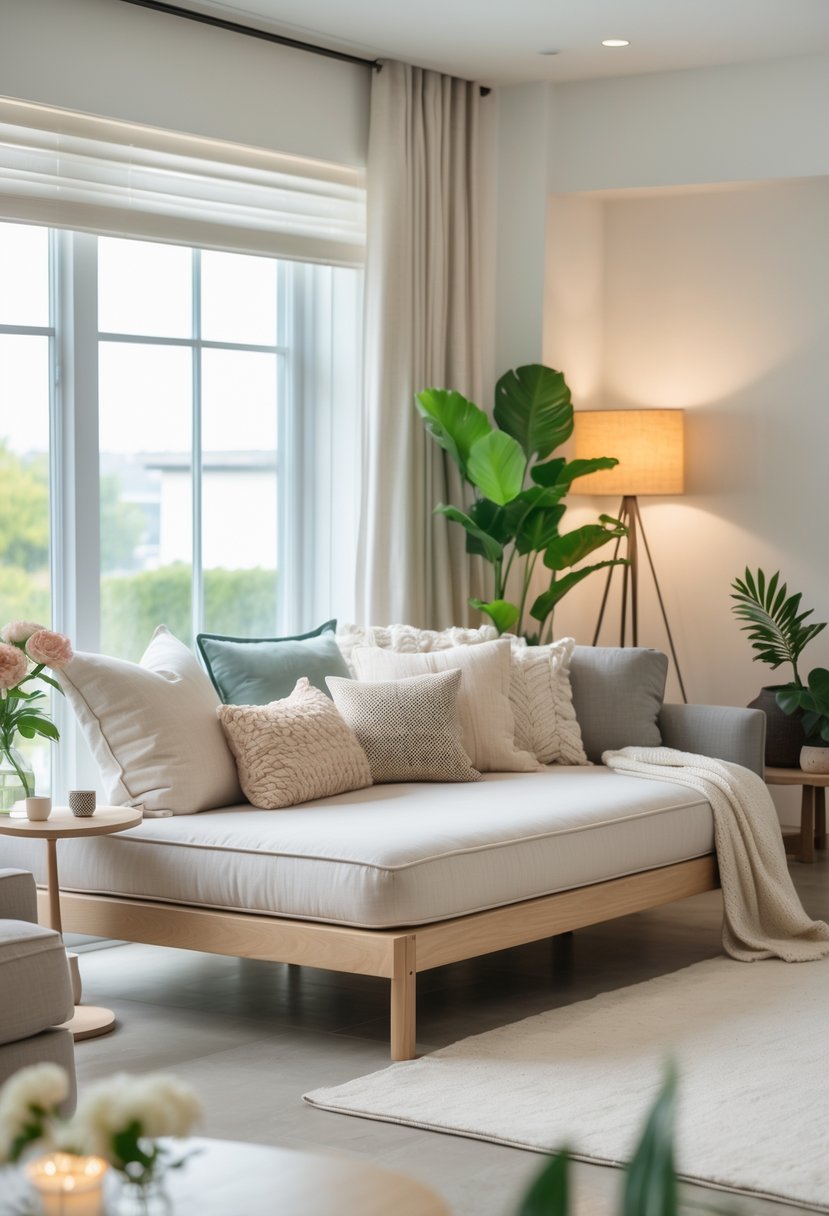
When you’re picking a daybed, think about space, materials that feel right for everyday use, and how the design meshes with what we already have.
A good daybed balances function, comfort, and style, so it works for both lounging and sleeping.
Assessing Room Size and Layout
Before choosing a daybed, take a step back and evaluate the room as a whole.
- Measuring the wall or corner where you plan to place it ensures the piece fits comfortably without overwhelming the space. Most daybeds fit a twin mattress, so it’s worth measuring the wall or corner where it’ll go.
- Leaving at least two or three feet of clearance around the bed helps the room feel open, not cramped. This breathing room allows the daybed to feel intentional instead of squeezed in.
- In tighter spaces, simplicity makes a big difference. A streamlined frame with clean lines, open sides, or a lighter finish prevents the furniture from feeling visually heavy. Metal frames or slim wood designs often work well because they don’t block sightlines.
- Room shape also plays a role. In long, narrow spaces, positioning the daybed lengthwise against a wall creates a natural seating zone without interrupting traffic flow. In square rooms, placing it under a window or centered on a feature wall can make it feel like a focal point.
- For shared spaces, functionality matters. A trundle daybed is a smart solution when extra sleeping space is needed but floor space is limited.
Thinking about how people move through the room helps you avoid awkward placement. Think about doorways, windows, and natural pathways.
The goal is to position the daybed in a way that supports easy movement and enhances the layout.
Selecting Daybed Materials
The frame material changes the look and how sturdy the daybed feels.
- Wood frames have a warm, classic vibe and work in traditional, farmhouse, coastal, or rustic interiors. Lighter woods create an airy, relaxed look, while darker stains feel more classic and grounded.
- Metal frames offer a lighter visual presence. Slim metal silhouettes can feel modern, vintage-inspired, or minimalist depending on the detailing.
- Upholstered frames add softness and can make the piece look more like a sofa. This style works particularly well in living rooms, offices, or guest spaces.
Matching Daybed Styles to Decor
A daybed can adapt beautifully to almost any interior style. It simply needs to echo the materials, colors, and mood already present in the room.
- Minimalist spaces call for clean lines and simplicity. A streamlined wood or metal frame in black, white, or natural tones works best. Keep bedding neutral and structured, and limit pillows to a few well-chosen pieces.
- In a Boho-inspired room, texture and pattern take center stage. A wood or rattan daybed frame pairs perfectly with layered throws, global prints, tassels, and mixed textiles.
- For a coastal look, opt for light woods, white or soft blue upholstery, and breezy fabrics like linen or cotton. Stripes, subtle nautical patterns, and airy layers help keep the space feeling fresh and open.
- A cottagecore aesthetic leans into charm and softness. Think painted wood frames, floral prints, gingham, quilted bedding, and cozy layered textiles.
- For a glam interior, look for upholstered frames in velvet or other luxe fabrics. Metallic accents, plush pillows, and bold colors like emerald, blush, or charcoal add sophistication.
- A tropical style embraces natural materials and lively patterns. Rattan or bamboo frames feel right at home, paired with botanical prints, leafy patterns, and vibrant greens.
- In a traditional setting, choose a more substantial frame — perhaps carved wood or tufted upholstery. Rich tones like navy, burgundy, or deep green can enhance the classic feel.
No matter the theme, the key is cohesion. When the daybed reflects the textures, finishes, and mood of the room, it feels intentional.
Creative Daybed Styling Ideas for Different Rooms
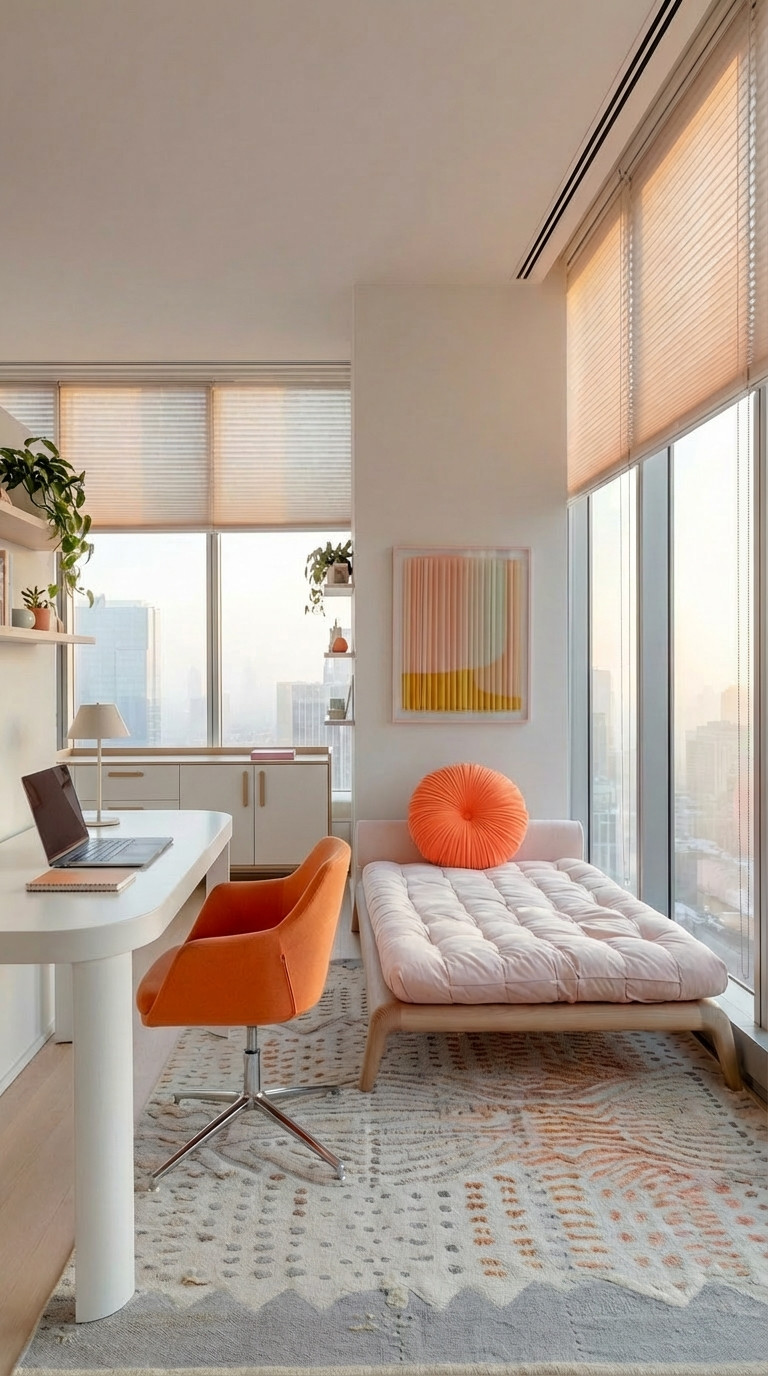
A daybed can be a cozy reading spot, a guest bed, or even a workspace. How you style it depends on the room, the furniture around it, and how you actually use it.
Living Room Daybed Styling
In the living room, a daybed often replaces or complements a traditional sofa. The goal is to make it look cohesive with the rest of your seating.
- Put it against a wall for a lounge corner or across from the sofa to encourage conversation.
- Start with structured back support. A supportive mattress, plush pillows, and a couple of throws make it feel more sofa-like.
- Stick to a cohesive color palette that ties into the room.
- Layering is key. Mix textures like linen, velvet, boucle, or woven fabrics.
- Anchor the daybed with a rug to define the seating area.
- Accessories matter. A slim side table for drinks, a floor lamp for reading, and some wall art above the daybed can make the space feel pulled together.
Bedroom Daybed Styling Ideas
In the bedroom, a daybed can serve as a lounge spot and an extra bed.
- Tuck it under a window for a sunny reading nook, or place it across or perpendicular to the main bed for a lounge area.
- Use a quality mattress and bedding that matches the rest of the room.
- Neutral sheets with patterned cushions keep things inviting but not overwhelming.
- Add a folded duvet or textured blanket at the foot.
- Incorporate a bench or storage basket nearby for practicality.
- Storage daybeds are especially handy. Drawers underneath hold linens, clothes, or spare blankets and keep the room organized.
Home Office or Study Nook Ideas
A daybed in a home office or study nook is a nice way to relax without leaving the room. With the right styling, it even doubles as a guest bed if you don’t have a spare bedroom.
- If space allows, place the daybed perpendicular to a desk to create a defined lounge zone without crowding the room.
- Keep the look simple. A streamlined frame in wood or metal, and a few tailored, structured cushions for comfort.
- Neutral or muted tones usually work best in workspaces to encourage focus and .
- Consider coordinated artwork above the daybed to tie into the office decor.
- A small side table or wall shelf nearby makes the daybed more functional. Use it for books, a laptop, or even a desk lamp.
This way, the daybed becomes a flexible piece that supports both work and downtime.
Outdoor and Sunroom Daybed Styling
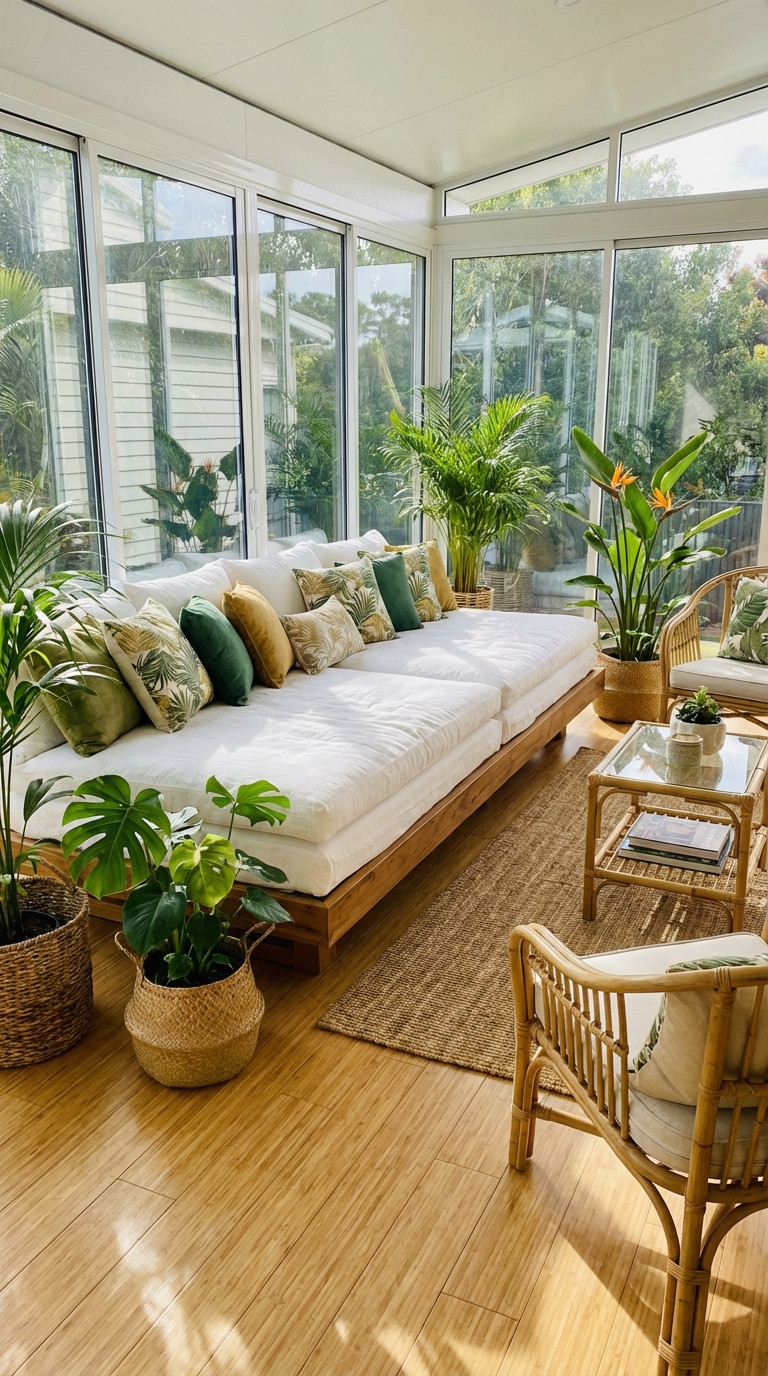
Bringing a daybed into an outdoor patio or sunroom is about comfort, durability, and making the space feel right through every season.
If you focus on the right materials, cozy setups, and a few seasonal touches, it’s easy to make the daybed both practical and inviting.
Choosing Weather-Resistant Materials
If you want a daybed outside, the first thing to think about is what materials can actually handle the weather.
- Woods like teak or acacia are pretty tough. They stand up to moisture and last longer if you take care of them.
- Metal frames, especially powder-coated aluminum, are another solid pick since they don’t rust much.
- For cushions, fabrics like solution-dyed acrylic or polyester blends are the way to go because they hold up against fading, mildew, and water. These fabrics can really take a beating from the sun.
- Using quick-dry foam inside the cushions helps prevent mold, which is honestly a lifesaver if you forget to bring them in.
Tips: It’s worth throwing a fitted, breathable cover over everything when you’re not using the daybed. That keeps out dirt and rain but doesn’t trap moisture, so things don’t get musty.
If you can, tuck the daybed under a pergola or near a wall. That cuts down on direct sun and rain.
Cozying Up Near a Fireplace
If there’s a fireplace nearby, the whole vibe changes.
A gas or electric fireplace is easier to deal with indoors, but outdoors, a wood-burning one feels classic. Just make sure there’s enough airflow.
- Face the daybed toward the fireplace. It naturally draws everyone in, making the space feel like a cozy hideaway, perfect for quiet mornings or winding down at night.
- Pile on thick throws and oversized pillows to cozy up for colder seasons and add color to your outdoor spaces.
- Go for soft fabrics, but don’t stress too much. Make sure they’re easy to wash since you’ll be using them a lot.
- Add a small side table for your coffee or whatever you’re reading.
Seasonal Decor Tips
Swapping out a few things with the seasons keeps the daybed looking fresh, no big overhaul needed.
- Spring is the time for florals or pastels. A couple of fresh plants or a vase of flowers on a side table can really brighten things up.
- In summer, light fabrics like cotton or linen in bright or neutral colors feel best. Toss on a few tropical-patterned pillows or maybe a striped outdoor rug for that breezy look.
- When fall rolls around, switch to warmer tones. Think rust, mustard, olive. Chunky knit throws and plaid cushions add some texture and warmth.
- In winter, it’s all about layering. Add fleece or faux fur throws, thicker cushions. If the daybed’s near a fireplace, you’ll actually want to hang out there even when it’s freezing outside.