
Tall walls and high ceilings can make a space feel open and impressive.
But honestly, they often leave us scratching our heads — how do you fill all that blank space without making things awkward or empty?
The key to decorating tall walls is choosing pieces and layouts that balance the height while adding warmth and style.
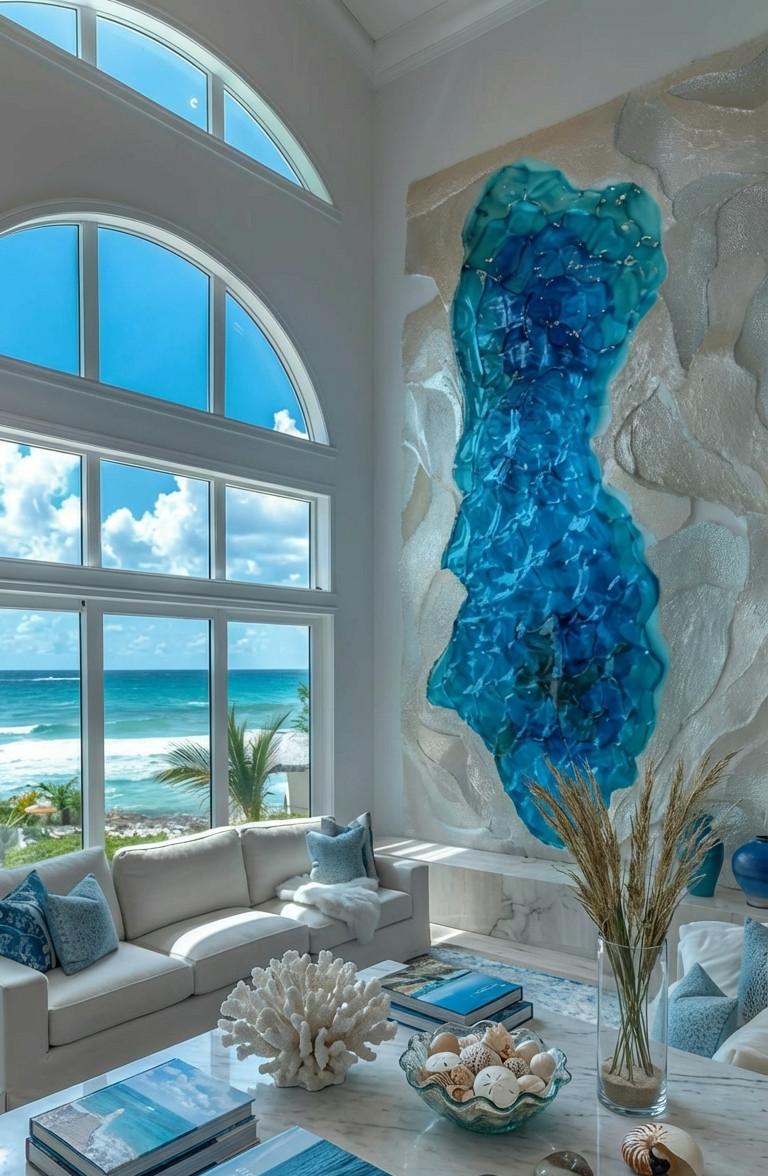
You don’t have to settle for bare walls or decor that feels lost.
With the right mix of art, shelving, and architectural details, it’s possible to bring those soaring walls down to a more comfortable scale while still keeping that wonderful sense of openness.
As we dig into ideas like creative wall treatments, built-ins, and personal touches, you’ll see how tall walls can become a feature that’s both stylish and inviting.
Understanding the Challenges of Decorating Tall Walls
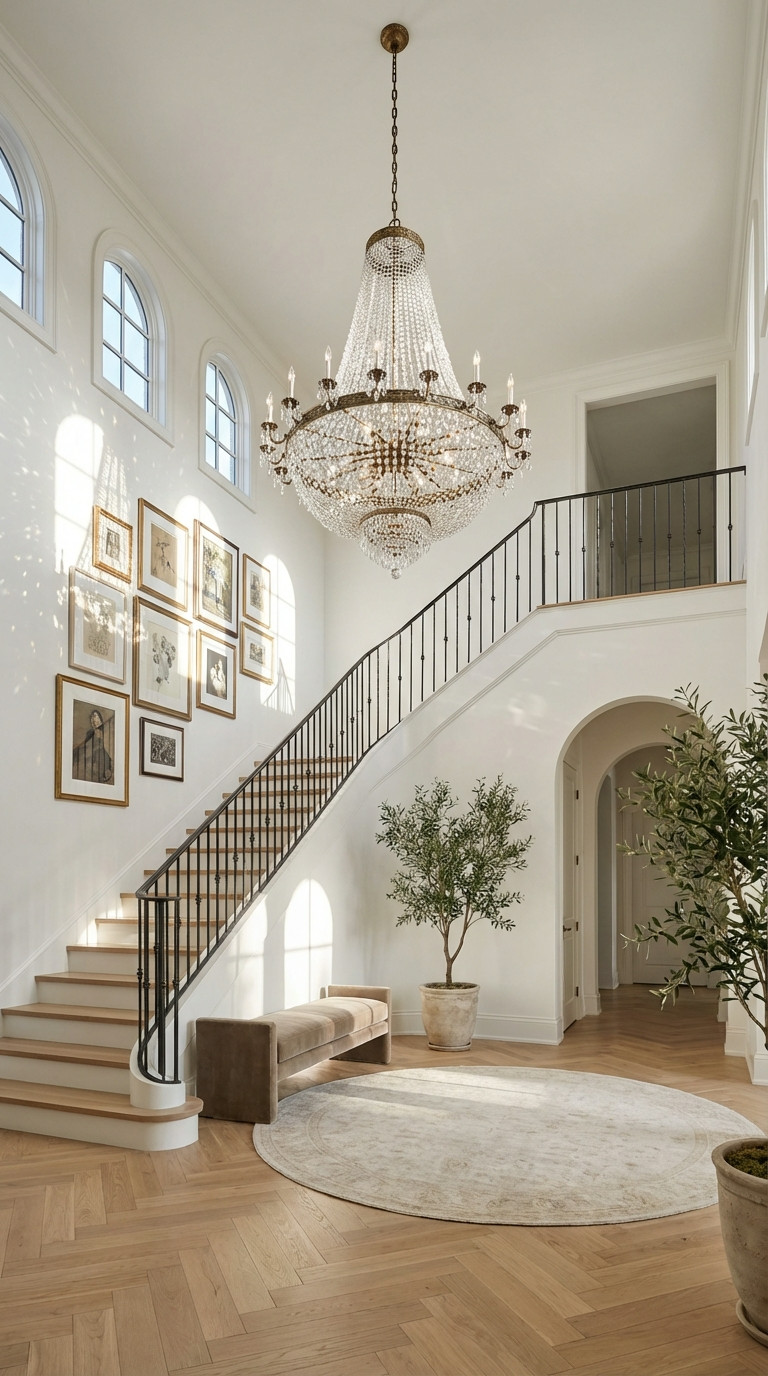
Decorating tall walls and high ceilings brings some real challenges. Scale, balance, and how your eye moves through the space matter way more than you’d expect.
If you don’t plan carefully, the room can end up feeling empty, awkward, or just plain overwhelming.
Common Mistakes With Tall Wall Decor
One mistake that pops up all the time: using artwork or decor that’s way too small for the wall. A single tiny frame on a massive surface just gets swallowed up and makes the wall look even bigger.
Another issue is spreading items too far apart. When things float without connection, the wall feels disjointed and kind of random. Grouping items or creating a gallery effect helps everything feel intentional.
There’s also the temptation to overfill the space, thinking more stuff will solve the scale issue. Usually, that just creates clutter. Less, but larger, is often better.
Quick rundown of mistakes to sidestep:
- Hanging small art pieces alone on a huge wall
- Placing wall decor way too high above furniture
- Leaving big blank areas with no real focal point
- Using a bunch of tiny objects instead of one bold piece
Importance of Scale and Proportion
Scale is what makes or breaks tall wall decor. High ceilings demand bigger pieces that can stand up to all that height. A large canvas, oversized mirror, or tall bookshelf works because it matches the wall’s proportions.
It’s also important to think about how decor relates to furniture. If your sofa is low and your art is tiny, the wall looks disconnected. Hanging a large piece at eye level above the sofa helps bridge that gap.
Proportion isn’t just about size; it’s about balance. A tall mirror might balance a narrow wall, while a wide tapestry can ground a long expanse. Using proportion wisely helps the room feel cohesive instead of mismatched.
Balancing Vertical and Horizontal Elements
Tall walls naturally pull your gaze upward, which can look dramatic. But it can also make the bottom half of the room feel empty.
That’s why it’s smart to balance vertical height with horizontal elements.
Layering decor at different levels helps. Tall plants or floor lamps connect the lower half of the room to the wall, while wide shelving or horizontal trim breaks up the height.
Another trick: use color or texture across the wall. Horizontal wood paneling, a wide piece of art, or a painted band across the middle can ground the space.
Mixing vertical and horizontal details keeps tall walls stylish without letting them overpower the room.
Choosing the Right Wall Decor for High Ceilings
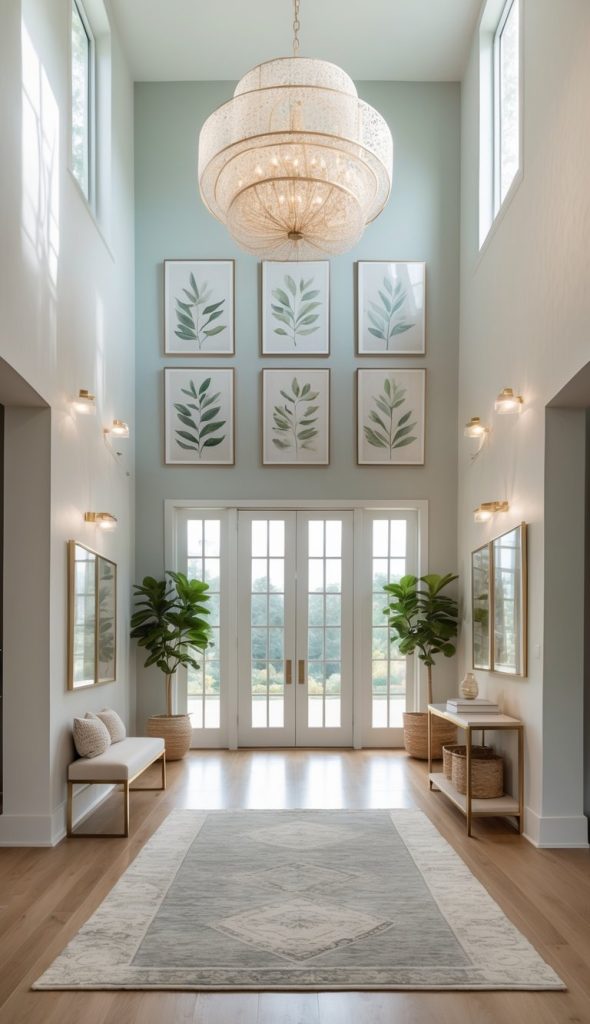
When we decorate tall walls, we want pieces that fill the space without making the room feel cavernous. Picking the right decor can balance scale, add personality, and help high ceilings feel connected to the rest of the room.
Oversized Art and Statement Pieces
Large artwork is a lifesaver for tall walls. A single oversized canvas or framed print can anchor the space and keep the wall from looking bare.
Vertical art pieces emphasize the height of the ceiling. Tall, narrow artwork draws the eye up, while wide pieces stretch the space horizontally.
For more drama, try a statement piece like a big tapestry, a sculptural wall panel, or a textured installation. These fill space and add depth.
Honestly, choosing one or two large items usually beats scattering tons of small ones that get lost on a big wall.
Gallery Walls for Large Spaces
Gallery walls are a practical way to decorate high ceilings. They let you combine smaller pieces into one big display. Instead of awkward gaps, a well-planned arrangement creates a strong focal point.
Mix art prints, family photos, and framed objects for more character. Using consistent frame colors or matting ties the whole thing together, even if the styles vary.
For tall walls, don’t just stick to a single row. Stack frames in multiple rows to make the most of the vertical space.
A good tip: map out the layout on the floor first before putting holes in the wall.
Decorative Mirrors for Height and Light
Mirrors are fantastic for high ceilings because they bounce light around and make the room feel brighter.
A tall mirror placed against the wall emphasizes vertical space, while a wide mirror spreads light across the room.
Grouping several mirrors together can mimic a gallery wall. Mixing up shapes — round, square, arched — adds variety without making things feel busy.
Placing a mirror above a fireplace or console table helps connect lower furniture with the tall wall above.
Mirrors that reflect windows or lighting fixtures can highlight details that might otherwise go unnoticed.
Incorporating Shelving and Built-Ins

Tall walls are a perfect excuse to add storage and personality. Shelves, bookcases, and built-ins don’t just fill space; they help balance the room and give us a spot to show off things we love.
Floating Shelves for Vertical Display
Floating shelves are one of the easiest ways to break up a tall wall. Stagger them at different heights to draw the eye upward and make the wall feel more balanced.
This works especially well in living rooms and offices where we want a mix of function and style. On these shelves, mix books, plants, framed photos, and small art pieces.
Layering different sizes keeps things from looking flat. A small vase in front of a book stack adds depth without taking up much space.
For a clean look, use shelves in the same finish as your furniture. If you want something bolder, go for shelves in a contrasting color or material.
Floating shelves are flexible, so you can change things up whenever you feel like it.
Bookshelves for Tall Walls
Bookshelves are a natural fit for high ceilings. A tall bookshelf instantly fills vertical space and gives you storage for more than just books.
They’re great for travel souvenirs, framed art, or baskets for hidden storage.
Freestanding bookshelves are easy to move, but they often leave gaps at the top. You can stack multiple units or add décor like large plants or artwork above them.
When styling shelves, mix horizontal and vertical stacks of books. Toss in a few decorative objects — a ceramic bowl, a framed print — to break up the rows.
This way, the tall wall looks full but not too busy.
Custom Built-Ins for Storage and Style
Built-ins are a more permanent option, but they make tall walls feel intentional. Floor-to-ceiling built-ins can frame a fireplace, surround a TV, or anchor a living room wall.
They create a polished look and provide tons of storage. Details like crown molding or a ladder for upper shelves can make the design feel extra tailored.
Design built-ins with both open shelving for display and closed cabinets for things you’d rather hide. This mix keeps the wall useful without looking chaotic.
Since built-ins are custom, you can match them to your home’s style. Sleek white for modern spaces, warm wood for traditional rooms.
Either way, they turn a tall wall into something practical and stylish.
Creative Wall Treatments and Architectural Details

Decorating tall walls isn’t just about hanging art. Architectural details, textures, and big wall treatments can break up the height, add depth, and make the space feel more balanced.
These approaches really shine in rooms with high ceilings — they bring character without adding clutter.
Millwork and Panel Moulding
Millwork gives tall walls structure and makes them feel more finished. Adding panel moulding, wainscoting, or picture-frame trim breaks up the vertical space into sections that are easier on the eyes.
This also helps the wall look intentional rather than just one big blank surface.
Raised panel moulding is a popular option. It adds depth and works well in entryways or staircases where walls can feel overwhelming.
For a more modern vibe, try flat trim or geometric panel designs.
Stained wood millwork adds warmth, while painted trim in a contrasting color highlights the details.
Installing sconces within the millwork adds both light and style, keeping the wall from feeling too flat.
Using Wallpaper for Visual Interest
Wallpaper is an easy way. Large-scale patterns, textured finishes like grasscloth, or bold colors can make the wall a feature instead of just a backdrop.
Wallpaper framed inside moulding panels creates a custom art look. Or cover just the upper or lower half of a tall wall to break up the height and keep things balanced.
For something subtle, textured wallpaper adds depth without being busy. Oversized prints or graphic patterns make a dramatic statement, especially with high ceilings.
Adding Murals To Make a Statement
Murals are one of the boldest ways to treat tall walls. With all that space, a mural can turn a blank wall into a true focal point.
Painted murals offer a custom, one-of-a-kind look, but removable mural wallpaper is an easier alternative.
Both options let you bring in landscapes, abstract art, or bold geometric designs that actually fit the scale of tall rooms.
Another idea: extend the mural from floor to ceiling. This draws the eye up and really emphasizes the height of the room.
Even one accent wall with a mural can change the whole feel of a space with high ceilings.
Design Strategies for Cozy and Cohesive Spaces

When decorating tall walls and high ceilings, the goal is to keep the room balanced and comfortable. We want the space to invite you in, not make you feel tiny or lost.
Breaking things up visually and adding layers brings warmth.
Dividing Wall Space Visually
A tall wall can feel like a blank canvas that’s just too much to handle. Instead of trying to cover it all, divide it into sections that feel more manageable.
Group artwork or decor at different heights. Hanging two or three rows of framed prints creates a stacked effect that draws the eye up without awkward gaps.
Horizontal elements like picture ledges break up the vertical stretch and give you a spot to swap out decor easily.
Try thinking of the wall in thirds. The lower third connects with furniture, the middle can carry art or shelving, and the top third can stay lighter with taller accents like plants or sconces.
This way, the wall feels intentional, not just a big empty chasm.
Layering Decor for Depth
Layering adds warmth and keeps high ceilings from feeling too stark. Instead of just one big piece, why not mix up textures and materials to soften things up?
Try pairing floor-to-ceiling curtains with a rug and some upholstered seating. That combo helps absorb sound and makes the room feel a bit cozier.
Tall plants or standing lamps are great for filling vertical space without making things look crowded.
Scale matters too. Larger pieces — think oversized artwork, chunky shelves, or bold light fixtures — usually work better than a bunch of tiny accents. Small things tend to get lost on those tall walls.
Adding textiles like woven wall hangings or fabric panels can bring in some depth. These layers help keep the space from feeling cold or echoey, but you still get to show off all that height.