
A fireplace mantel sets the tone for the whole room.
But honestly, figuring out how to style it without making it look cluttered or awkward? That’s not always obvious.
The key is finding that balance — scale, height, layers — while keeping things simple and intentional.
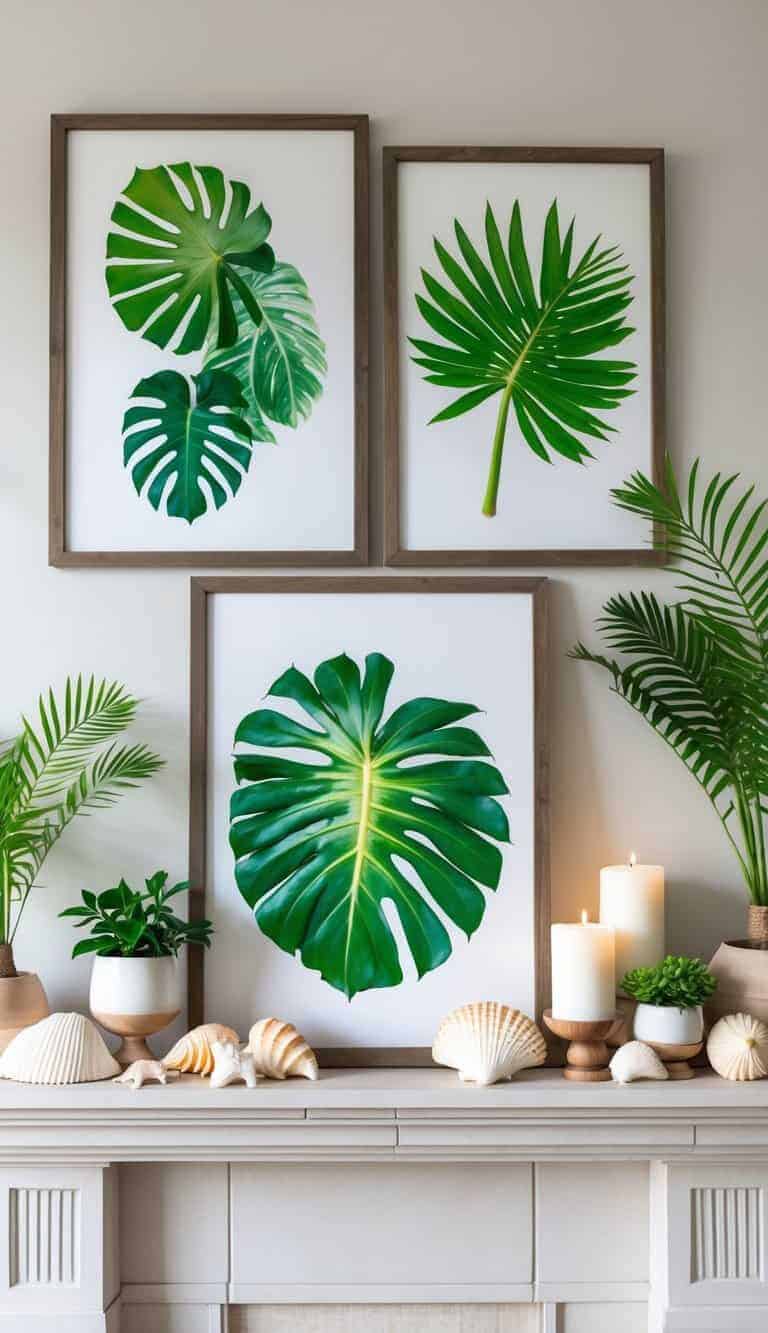
When you nail that, the mantel feels like a natural centerpiece. It’s polished but still personal, which is the sweet spot.
Let’s break down the basics: understanding the mantel itself, what makes for good styling, and which elements pull a look together.
Even small tweaks, like a new vase or a seasonal garland, can totally shift the vibe.
We’ll also talk about ways to make your mantel feel like you, not just something out of a catalog.
Understanding Your Fireplace Mantel

The fireplace mantel really does set the mood for the whole room. Its style, shape, and material influence how you decorate it and how it fits with the rest of your space.
Types of Mantels and Their Features
Mantels come in a handful of main types, each with its own personality.
Wood mantels are everywhere. They’re easy to paint, stain, or carve, and can go classic or modern.
Stone mantels — think marble, limestone, slate — bring some serious heft and elegance. They usually feel more formal and can make the fireplace the star of the room.
Cast iron or metal mantels aren’t as common, but they have this cool industrial or vintage vibe. They’re tough and often paired with brick or tile.
Then there are floating mantels — no legs, no sides. Just a clean, minimal shelf that works great in smaller spaces or modern homes.
Here’s a quick look:
| Mantel Type | Best For | Key Feature |
|---|---|---|
| Wood | Traditional, versatile | Easy to customize |
| Stone | Formal, classic | Heavy and durable |
| Metal/iron | Industrial, vintage | Strong, unique character |
| Floating shelf | Modern, small spaces | Clean, minimal design |
Choosing the Right Mantel for Your Space
When it comes to picking a mantel, scale matters just as much as style. The right size and design can make or break the balance of a room.
Get the scale right. A big stone mantel in a tiny living room? Overkill. But a skinny floating shelf on a huge wall just disappears.
Match the mantel to your room’s style. If your furniture is modern, a simple wood or floating mantel keeps things cohesive. For a traditional look, carved wood or stone ties it all together.
Color and finish play a role too. Dark wood adds warmth and depth. White-painted mantels blend into the wall and keep things airy. Stone often works best with neutral palettes, letting you go bold with decor.
Function’s a factor. Do you want a mantel that can support heavy stuff, like big vases or artwork? Or is it more about looks, with a slim shelf for a few accents?
Matching your needs to the mantel’s design saves headaches later.
Fundamental Principles of Mantel Styling

Styling a mantel is about balance and layers, but you don’t want it to look like you tried too hard. The right mix of scale, depth, and texture makes a space feel welcoming.
Layering Decor for Depth
Flat arrangements just look unfinished. Layering is where the magic happens. You don’t need a ton of stuff — just a few layers that play well together.
Think of it like this:
- Anchor piece: One big item, like a mirror, clock, or artwork, sets the mood.
- Supporting pieces: Medium stuff — vases, lanterns, framed photos — keep your eye moving.
- Fillers: Smaller accents, like candles or little boxes, pull it all together.
Mixing up the sizes keeps things from feeling flat. Tall items off-center, shorter pieces on the other side—it’s a simple way to keep things steady.
Mixing Textures and Materials
Texture adds depth and warmth to a mantel. The magic happens when you combine contrasting finishes and materials — glossy with matte, smooth with rough, shiny with natural.
Play with contrasts. Pair glass or metal with stone, wood, or ceramic for instant visual interest. A brass candlestick next to a matte clay vase feels more dynamic than a row of matching pieces.
Bring in natural elements. Add greenery, dried stems, or even faux branches to break up solid surfaces.
Focus on balance, not perfection. The goal isn’t to make everything match — it’s to let different materials play off one another.
Essential Mantel Decor Elements

Details matter most when you’re pulling together a mantel. Just a handful of well-chosen pieces can set the tone and keep things from feeling crowded.
Candlesticks and Candle Arrangements
Candlesticks are such an easy way to add warmth and height. Tall tapers pull the eye up, while shorter votives fill in the blanks.
Mixing heights keeps things relaxed. A couple brass candlesticks on one side, a single ceramic holder on the other. It works if you play with shape and height.
Candles set the mood for the season too. Maybe deep orange tapers in fall, soft gray in winter.
Here’s a cheat sheet:
| Candle Type | Best Use |
|---|---|
| Tall tapers | Add height and focus |
| Votives | Fill small spaces |
| Pillars | Anchor larger mantels |
Two or three types together is usually enough to keep things interesting but not messy.
Artwork and Mirrors
Artwork and mirrors naturally draw the eye and set the tone for your mantel display. Whether you go bold with one statement piece or mix in smaller frames, they help create balance and focus.
Choose your anchor piece. A single large artwork or mirror above the fireplace instantly commands attention. For a more relaxed, collected look, layer smaller pieces — lean them against the wall or overlap frames slightly.
Create a laid-back look. Leaning art instead of hanging it gives a casual, effortless feel. Try mixing frames and styles for personality without the fuss of perfect symmetry.
Use mirrors to open up the space. Mirrors brighten a room by reflecting light and making smaller spaces feel larger. Round mirrors soften angular lines, while rectangular ones offer a timeless, classic look.
Mind the scale. Choose pieces that fit the wall space — not too tiny to disappear, but not so large that they overpower the mantel. Always aim for proportion and harmony.
Vases and Ceramics
Vases and ceramics bring in texture and color without hogging space. A tall vase with greenery can make the room feel alive, while a little handmade bowl adds personality.
Mix up materials — glass, clay, metal — for contrast. A shiny vase next to a matte pot is way more interesting than matching sets.
You can swap out what’s inside for the seasons. Tulips or eucalyptus in spring, sunflowers or lavender in summer, maple branches in fall, frosty branches in winter. Even empty, a vase with a cool shape can stand on its own.
Odd numbers work best. Three vases of different heights look intentional, not staged.
Bringing in natural elements just makes a mantel feel more alive. Greenery, pine cones, or even a quick seasonal swap can freshen things up.
Garlands and Greenery
Garlands are such an easy way to add life. Eucalyptus, ivy, even faux greenery — they all soften the edges and add texture. If you want more drama, layer a couple types together.
Feeling festive? Throw in some ribbon, dried orange slices, or tiny ornaments. Spring and summer call for fresh flowers or leafy vines; fall and water are all about dried leaves or berries.
Let the garland drape a bit over the edges. It looks way more relaxed.
Here are quick ideas for garlands:
- Fresh eucalyptus for a clean scent
- Faux greenery for low maintenance
- Seasonal touches like berries, lights, flowers, or ribbon
Other Natural Accents
Other natural accents — branches, dried flowers, sand, shells — work too, depending on the season. Pine cones are great for fall and winter, but swap them for driftwood or shells in summer.
These are basically free decor if you can grab them outside. Toss them in a bowl or jar, scatter a few along the mantel, or tuck them into a garland.
Don’t overdo it. A few well-placed pieces go a long way.
Seasonal Rotations
Switching up your mantel with the seasons keeps things interesting. No need for a total overhaul — just rotate a few accents.
Pumpkins in fall, evergreens in winter, fresh flowers in spring, maybe shells in summer.
Keep a few staples, like a mirror or candlesticks, and swap in the seasonal bits. A little box of decor makes it easy to change things up without digging through storage.
Here simple seasonal swaps:
- Spring: wildflowers, pastel candles, pastel eggs, nest
- Summer: shells, woven textures, sand, dried citrus slices
- Fall: pumpkins, dried leaves, candles, leather-bound books
- Winter: hollies, pine cones, evergreen sprigs, branches
Styling for Different Design Aesthetics

How you style your mantel totally changes the room’s vibe. The materials, shapes, and colors you pick all work together to reflect your personal style or at least the mood you want to come home to.
Modern and Minimalist Mantels
For a modern look, less is usually more. Clean lines, simple shapes, and a sense of order.
A single large mirror or abstract artwork above the mantel can anchor the space without feeling cluttered. Pair that anchor piece with just one or two accents.
Think tall candlesticks, a slim vase with fresh greenery, or maybe a sculptural object in metal or glass.
The key is to keep the palette restrained — black, white, and muted tones, with maybe a single bold color for a little pop.
Traditional and Antique Mantels
Traditional mantels often shine when we highlight craftsmanship and history. A carved wood mantel or marble surround already makes a statement, so decor should complement rather than compete.
Classic details like ornate picture frames, brass candlesticks, or porcelain vases really fit in here. Family portraits or oil paintings just seem to belong in this setting.
Symmetry works especially well — matching items on each end create balance that feels timeless. Layering can add depth too.
For instance, we might hang a large gilded mirror, then set small framed photos in front. Adding a clock or a few antique books helps the look feel collected without being stiff.
Cottage and Rustic Styles
Cottage and rustic mantels just feel warmer, don’t they? Natural textures like unfinished wood, stone, or woven baskets work best.
Instead of polished perfection, it’s better to embrace items that feel handmade or a little imperfect. Fresh or dried flowers in simple jars, vintage lanterns, or stacks of well-loved books bring a cozy touch.
Seasonal touches — pumpkins in the fall, pine cones in the winter — can swap in and out with almost no effort. Asymmetry often feels right here.
Maybe place a chunky ceramic pitcher on one side, balance with two smaller items on the other, then drape a garland or eucalyptus strand across the middle.
Personalizing Your Mantel Display

A mantel feels more inviting when it shows pieces that matter to you. Mixing family memories, favorite finds, and personal style makes the space look warm and connected to your daily life.
Showcasing Family Photos and Heirlooms
Family photos instantly make a mantel feel personal. Use a few framed pictures in different sizes and layer them for depth.
Mixing black-and-white photos with color prints adds variety without looking too busy. Heirlooms like a small clock, an old vase, or a framed letter can sit alongside photos.
These items don’t just decorate; they tell stories. To keep things balanced, group photos on one side and place the heirloom on the other.
If you have several photos, a simple tip is to use matching frames in different sizes. This keeps the display cohesive, but still lets each picture stand out.
Adding Unique Collectibles
Collectibles bring character to a mantel. Whether vintage books, pottery, or little sculptures, these pieces show what you like to collect. No need to display everything at once. Rotating items keeps things feeling fresh.
Stack books horizontally to act as risers for other items, or lean one upright to add height.
A quick way to avoid clutter is to follow the rule of odds:
- 3 small objects grouped together
- 5 books stacked with a plant on top
It just feels more natural and less staged.
Reflecting Your Personality
Your mantel should feel like you, not a showroom.
- If you love plants, a row of small potted succulents or a tall leafy branch in a vase can highlight that.
- If you’re into art, leaning a bold print or abstract painting against the wall makes a strong focal point. Color is another way to show personality.
- Pull in colors you wear often or ones that pop up in other rooms. A bright bowl, a patterned candle holder, or even a quirky figurine can tie it all together.
The key is to pick things that make us smile. When we walk into the room, the mantel should remind us of what we enjoy most.
Common Mantel Styling Mistakes To Avoid

When you decorate a mantel, it’s easy to get carried away with too many objects, forget about safety, or stick too closely to one theme.
Paying attention to balance, function, and variety helps us create a space that feels intentional and inviting.
Overcrowding and Clutter
A mantel has limited space, so piling on too many items quickly makes it look messy. Small frames, candles, and trinkets stacked side by side can overwhelm the eye instead of creating interest.
You get better results when you choose fewer, larger pieces that make a statement.
- 1 large mirror or artwork as the anchor
- 2 to 3 accent items, like vases or candlesticks
- A touch of greenery for life and texture
Negative space gives your mantel breathing room and makes each object stand out. Leaving some empty space is just as important as what you place there.
Ignoring Safety and Functionality
A fireplace is more than a display shelf; it’s also a heat source.
Placing flammable items like paper, fabric, or long greenery too close to the fire can be unsafe. Even faux plants or candles can become a hazard if they hang too far over the edge.
A good rule of thumb is to keep at least 6 inches of clearance above and around the firebox.
You should also think about how you use the fireplace. If you light it often, bulky decor that blocks the opening or gets in the way isn’t practical.
On the other hand, if the fireplace is decorative only, you can style with taller items without worry.
The key is to keep safety first while still making the space look good.