
Picking a roof color can feel like a big deal, but it doesn’t have to be stressful.
The roof sets the mood for the whole house, and the color you pick really does change how your home looks and fits in with the neighborhood.
The best roof color is the one that works with your home’s style, suits your climate, and brings the whole exterior together.
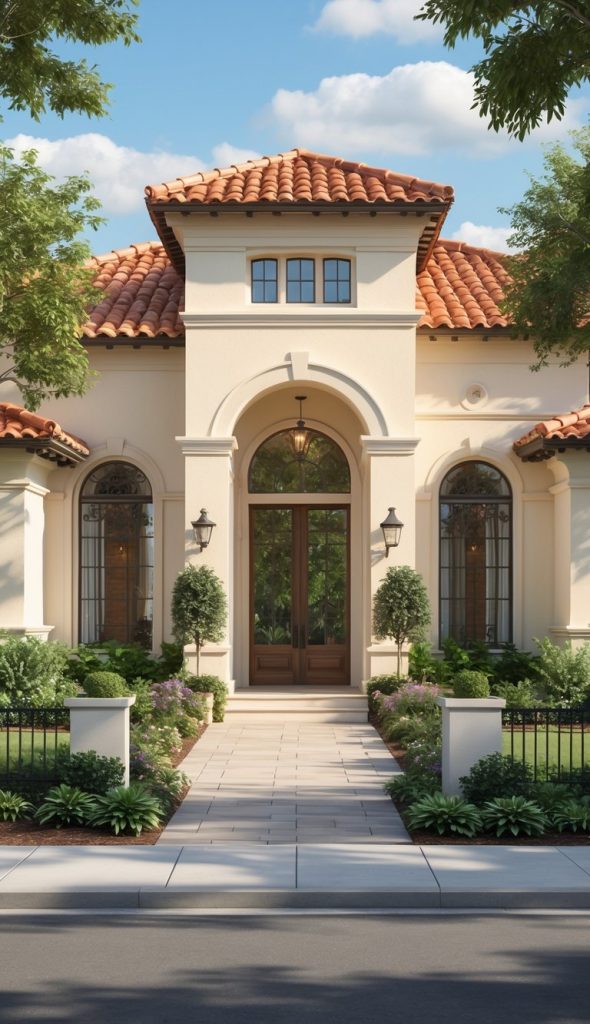
Shingles do more than just keep out the rain. Their color actually plays a big part in curb appeal and comfort.
A darker roof can make a house look more classic, while lighter ones help keep things cooler — especially in the summer.
The right shade can even make your house feel more welcoming to buyers.
Let’s take a look at what roof color really means for style, energy use, and satisfaction down the road.
We’ll also run through some mistakes to watch out for, so you can feel good about your choice.
Understanding the Impact of Roof Color
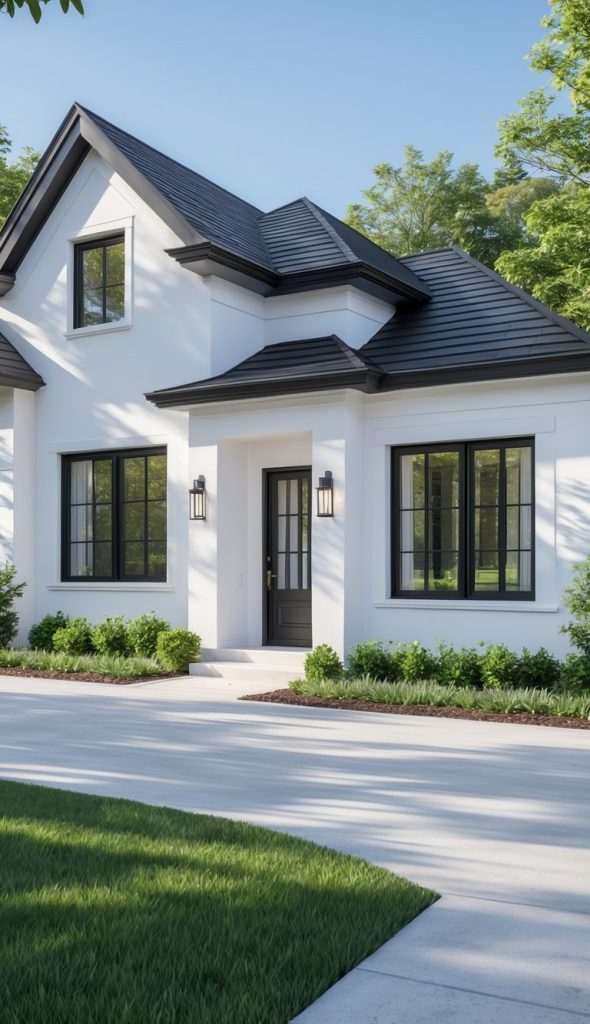
Changing your roof color does more than just update the look. It can affect energy bills, how long the roof lasts, and even what people think your house is worth.
Curb Appeal and Home Value
When folks look at a house, the roof is a big part of what they see.
A roof color that matches the siding, trim, and style just makes the whole place look more finished.
Neutral shades like gray, brown, and black are everywhere because they go with almost anything.
Bold colors? They can make your house pop, but not everyone’s into that.
If you’re thinking about resale, it’s smart to check what’s popular locally. A mismatched or outdated roof can turn buyers off, while a fresh, well-chosen color grabs attention.
Energy Efficiency and Climate Considerations
Roof color isn’t just about looks; it impacts how much heat your house absorbs.
Dark roofs, like black, charcoal, or deep brown, soak up more sunlight, which can make things hotter inside if you live somewhere warm. In colder places, a dark roof might actually help by trapping warmth.
Light roofs — think white, beige, or light gray — bounce heat away, helping keep things cooler and your AC bill lower.
There are also cool roofing materials now, designed to reflect sunlight no matter the color. That can help with energy efficiency in all sorts of climates.
Here’s a quick look:
| Roof Shade | Best For | Main Effect |
|---|---|---|
| Light | Hot climates | Reflects heat, cooler indoors |
| Dark | Cold climates | Absorbs heat, strong contrast |
Longevity and Maintenance
The shade you pick changes how your roof ages and how much work it needs.
Light colors show dirt and algae more easily, so you might be cleaning more often.
Darker roofs hide marks better but can fade faster if you’re in a sunny spot. Heat can also wear down shingles, especially if the roof gets really hot.
Some shingles come with coatings that fight algae and fading, which helps keep them looking fresh without constant cleaning.
It’s worth thinking about both color and material if you want less hassle.
Key Factors When Choosing Roof Colors

When you’re picking a roof color, it’s not just about what you like. You have to consider how it looks with your house, what the neighbors’ roofs look like, and whether there are rules you need to follow.
These details can make the difference between a roof that feels right and one that just doesn’t fit.
Neighborhood and Surrounding Roofs
Even if you love a bold roof color, it’s smart to see how it’ll look next to your neighbors.
A roof that’s way different can stick out, and not always in a good way.
You don’t have to copy anyone, but picking a color in the same family usually works best. If most nearby roofs are earthy, something like deep green or brown will blend in better than, say, bright red.
Take a walk around and see what feels natural. It’s a lot easier than guessing from a color swatch.
Considering Sunlight and Roof Pitch
Sunlight and roof pitch really change how colors show up.
A steep roof shows more surface, so the color stands out more.
A low-pitched roof might look darker since you see less of it.
Don’t forget about shade from trees or buildings. A color that’s bright in full sun might look dull in shade. It’s worth thinking about these details before you commit.
Homeowners Association Guidelines
If you’re in a neighborhood with an HOA, check their rules before you get too far. Many HOAs limit roof colors or want you to get approval first.
These rules are there to keep a consistent look. Ignoring them can mean fines or even having to redo the roof — nobody wants that.
Look over the HOA docs early, and if needed, submit color samples for approval. It saves headaches later and keeps your new roof both stylish and allowed.
Roof Color Options and Their Effects
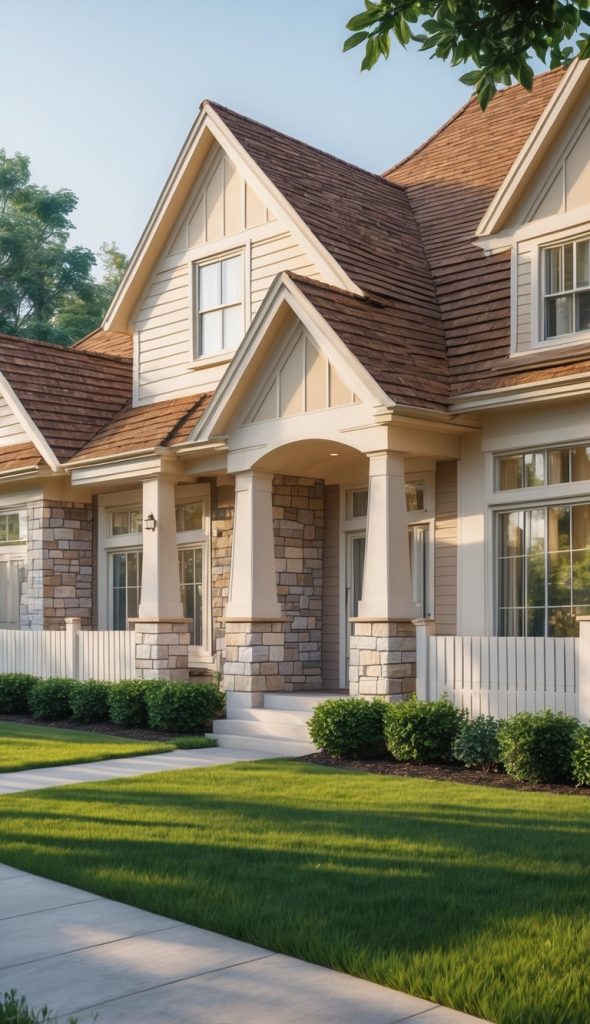
The color you pick for your roof changes more than just the look. It affects curb appeal, energy use, and how well your house fits in.
Home Exterior Color Palette
Your roof should work with the colors already on your home.
Siding, trim, shutters, even the brick or stone — they all affect how a shingle color looks.
A roof that clashes with these can throw off the whole vibe.
Contrast helps a lot. A light house can look sharp with a dark roof, while a dark house might stand out with a lighter or medium shade.
Here are pairings that work:
| House Color | Roof Options That Work Well |
|---|---|
| White | Black, gray, blue, brown |
| Beige | Brown, gray, green, black |
| Red brick | Dark gray, charcoal, black |
| Light gray | Black, dark blue, dark green |
Warm vs. cool tones matter too. Beige with warm undertones goes better with browns, while a light blue house looks cleaner with grays or blacks.
Matching undertones keeps things balanced.
Earth Tones
Earth tones like browns, tans, and muted greens blend well with nature and work nicely with brick, stone, or wood siding.
There are a lot of options. Gray shingles now come in warm or cool shades, and browns can be anything from tan to deep chocolate.
Matching undertones between siding and shingles keeps the look smooth.
These are safe picks if you want the freedom to change your house color later without redoing the roof.
Bold and Contrasting Colors
If you want your house to stand out, bold roof colors do the trick. Red, blue, green, and even purple shingles are out there.
- Red shingles can look great with white or olive siding.
- Blue works with white or red brick.
- Green pairs well with landscaping or yellow siding.
Just remember, too much contrast can get overwhelming. But if you balance it with the right trim and siding, it can look really unique.
A lot of modern shingles mix tones so bold colors don’t feel too wild.
Important: Don’t forget to check with your neighborhood’s HOA!
Matching Roof Colors to Home Styles
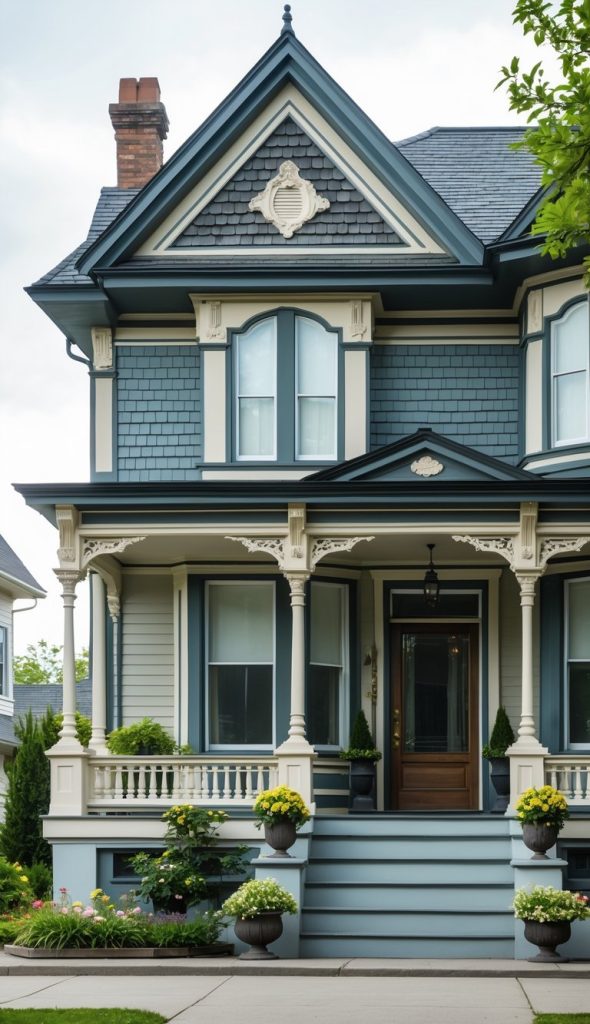
The style of your house should help guide your roof color. A roof that matches the architecture just feels right, while the wrong choice can be jarring.
Traditional Architecture
Traditional homes — colonials, Cape Cods, Craftsman — usually look best with classic roof colors.
Neutrals like black, dark gray, or deep brown give a timeless feel.
These shades also work well with brick, stone, or muted wood siding. The goal is for the roof to complement, not compete, with the details.
For example, a brick colonial with white trim looks sharp with a black or charcoal roof.
A Craftsman with earthy siding fits a roof with brown or weathered wood tones.
If your neighborhood is mostly traditional, these colors help your house blend in but still stand out in a good way.
Modern and Contemporary Homes
Modern homes use bold lines and simple shapes, so roof color matters a lot. Dark shades like matte black or deep gray show off the clean lines.
Lighter colors, like white or light gray metal roofing, can make things look sleek and minimal. Contrasting colors also work: a white house with a black roof is crisp and modern.
Materials play a role too. Metal roofs in blue or green can look amazing on modern homes, but you have to make sure they fit the rest of the design.
Historic and Vintage Styles
Historic and vintage homes look best when the roof color feels true to the era.
Slate gray, weathered brown, and muted red are typical picks. Think slate, old wood, or clay tiles.
Victorians can handle more decorative choices, like deep greens, rich reds, or patterned shingles to show off the trim. Tudor homes usually go for dark brown or gray to match old timber and stone.
When you update a historic house, you want to keep its character. Picking a roof color that fits the original style helps keep the charm, even with modern materials.